

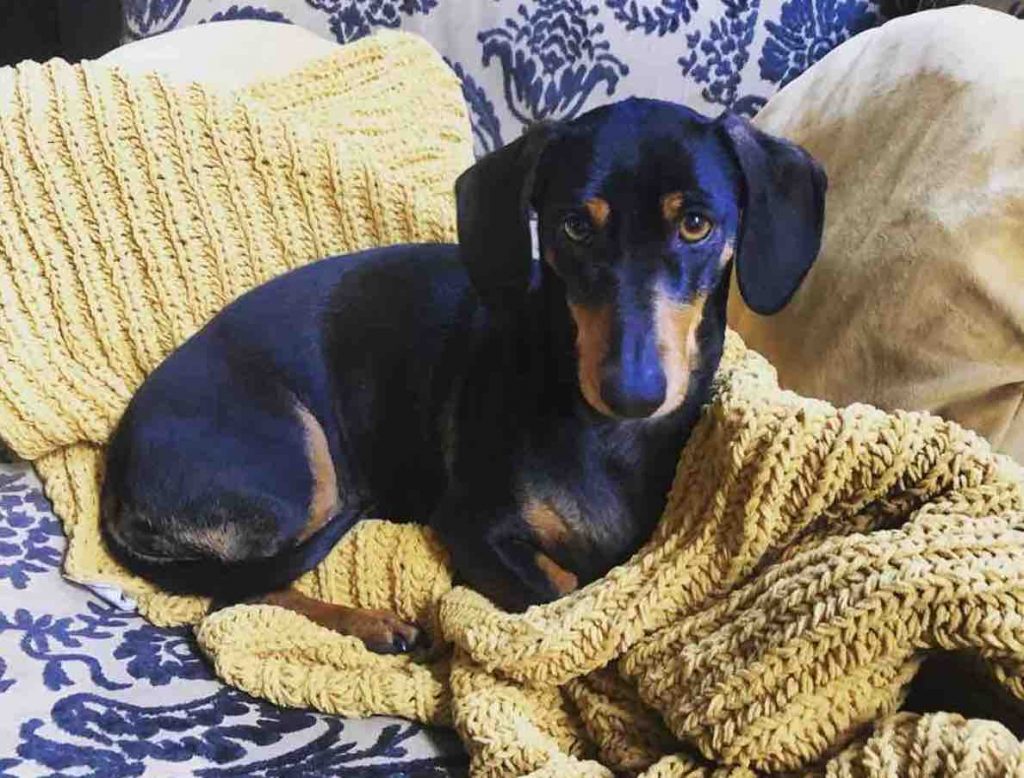
If you’re looking for a compact dog with plenty of confidence and character, the Dachshund could be your perfect match.
Affectionately known as the Daxie, sausage dog or wiener dog, Dachshunds are loyal, lively and courageous little dogs. However, their strong hunting instincts, independent nature and distinctive long backs mean prospective owners need to understand their training, exercise and health requirements.
This breed profile covers the different sizes and coat varieties, along with their temperament, training, grooming and common health considerations.
Dachshunds were originally bred in Germany several hundred years ago to hunt badgers and other burrowing animals. Their name reflects this history, with Dachshund translating to “badger dog”.
Their long bodies, short legs and strong paws allowed them to dig and pursue prey through underground tunnels.
Although most Dachshunds are now much-loved companion dogs, they still retain the courage, curiosity, alertness and prey drive associated with their working background.
Dachshunds come in two main sizes: Standard and Miniature. They are also found in three different coat varieties:
This creates several distinctive combinations. Although their size and grooming requirements vary, all Dachshunds share the breed’s characteristic long body, short legs, courageous nature and strong hunting heritage.
Dachshunds are affectionate and loyal dogs that generally enjoy being close to their people. They have bold personalities and can be surprisingly protective and vocal for their size.
They can be cautious around unfamiliar people and dogs, so early and ongoing positive socialisation is important.
All interactions between Dachshunds and children should be supervised. Children need to understand how to handle them gently and respect their space, particularly because the breed’s long back can be vulnerable to injury. Learn more about safe interactions between children and dogs HERE.
They may also have a strong prey drive, which should be considered in homes with small animals or rodents.
Dachshunds are clever dogs, but they are also known for being independent and strong-willed. Consistent, reward-based training should begin early and remain positive and enjoyable.
Use short training sessions and reward your dog with food, toys, praise or another activity they value. Punishment and force can increase fear and damage trust, particularly in dogs already prone to anxiety.
They may also be challenging to toilet train, so patience, close supervision and a consistent routine are essential. Crate training may help when introduced gradually and positively.
Dachshunds were bred to alert hunters to prey underground, so barking is a natural part of the breed’s behaviour.
Daily exercise, sniffing opportunities, food puzzles and reward-based training can help keep their active minds occupied. However, barking can also be associated with fear, frustration or anxiety, so it’s important to identify why your dog is barking rather than simply trying to stop the noise.
Some can develop separation anxiety or become reactive towards unfamiliar dogs, people or situations.
Gradually teach your puppy or dog to feel comfortable spending short periods alone. Early socialisation should also be positive and carefully managed, without overwhelming them with too many new experiences at once.
Seek professional advice from a qualified reward-based trainer or veterinary behaviourist if your dog displays significant anxiety or reactivity.
Thanks to their compact size, Dachshunds can adapt well to apartment living, provided they receive enough exercise, training and mental enrichment.
Despite their short legs, they are active dogs that benefit from daily walks, gentle play and opportunities to sniff and explore.
Care should be taken with strenuous or repetitive activities that place unnecessary pressure on their spine. Discourage your dog from repeatedly jumping on and off furniture or beds, and limit excessive stair use.
Non-slip flooring and sturdy ramps can help them safely access favourite areas of the home.
The amount of grooming a Dachshund needs will depend on their coat type.
Smooth-Haired
Smooth-haired Dachshunds require minimal grooming. Regular brushing or a gentle rub with a damp cloth can help remove loose hair and keep their coat clean.
Long-Haired
Long-haired Dachshunds need regular brushing with a DGG pin brush or another suitable grooming tool to help prevent tangles and matting, particularly around the ears, chest, legs and tail.
Wire-Haired
Wire-haired Dachshunds require regular brushing and may occasionally need hand-stripping by an experienced groomer to maintain the texture of their coat.
All three coat varieties also need regular nail care, dental care and ear checks.
Dachshunds typically live for approximately 12 to 16 years. However, like every breed, they can be predisposed to certain health conditions.
Intervertebral Disc Disease and Back Injuries
The Dachshund’s long back and short legs increase the breed’s risk of intervertebral disc disease, commonly known as IVDD.
IVDD occurs when one or more of the discs between the vertebrae deteriorate or rupture. It can cause pain, weakness and, in severe cases, paralysis.
Ways to help protect their back include:
Signs requiring prompt veterinary attention can include reluctance to move, crying when touched, a hunched posture, weakness, wobbliness, dragging the legs or a sudden inability to walk.
Eye Conditions
Dachshunds may be affected by eye conditions such as progressive retinal atrophy, known as PRA, and cataracts.
Regular veterinary checks can help identify changes, but owners should also seek advice if they notice cloudiness, redness, discharge, difficulty seeing or changes in how their dog navigates familiar environments.
Luxating Patellas
Luxating patella occurs when the kneecap moves out of its normal position. Signs may include limping, skipping on one leg or briefly holding a hind leg off the ground. Speak to your vet if you notice any changes in your Dachshund’s gait or mobility that could indicate joint issues.
Keep Your Dachshund at a Healthy Weight
Weight management is particularly important for this breed. Excess weight places additional strain on their back, spine, joints and knees.
Feed a complete and balanced diet in appropriate portions, account for treats when calculating daily food intake and provide regular, suitable exercise.
Your vet can assess your Dachshund’s body condition and recommend an appropriate target weight.
Dachshunds can be loving, entertaining and devoted companions, but their small size doesn’t necessarily make them low-maintenance.
Before welcoming one into your family, consider whether you can provide:
Understanding the breed’s natural instincts and health considerations can help you provide the care your Dachshund needs to enjoy a happy and fulfilling life.
Pet insurance can provide financial support when unexpected veterinary bills arise. To learn more about available cover, exclusions, waiting periods and policy terms, visit Knose Pet Insurance.
What types of Dachshunds are there?
Dachshunds come in two main sizes – Standard and Miniature – and three coat varieties: smooth-haired, long-haired and wire-haired. Their grooming requirements vary, but they share the same distinctive body shape and strong hunting heritage.
What is the temperament of a Dachshund?
Dachshunds are generally affectionate, loyal, lively and courageous. They can also be independent, vocal and cautious around unfamiliar people or dogs. Temperament varies between individual dogs and is influenced by genetics, socialisation, training and life experiences.
Are Dachshunds good apartment dogs?
Dachshunds can adapt well to apartment living because of their compact size. However, they still require daily exercise, mental enrichment and training. Their tendency to bark should also be considered when living close to neighbours.
Do Dachshunds bark a lot?
Many Dachshunds are naturally vocal because they were bred to alert hunters. Training, exercise and enrichment can help manage excessive barking, but owners should also determine whether the barking is being caused by fear, anxiety, boredom or environmental triggers.
Are Dachshunds difficult to toilet train?
Some Dachshunds can take longer to toilet train. A consistent routine, close supervision, frequent toilet breaks and immediate rewards for toileting in the correct place can help.
How much exercise does a Dachshund need?
Dachshunds benefit from daily walks, gentle play and mental enrichment. Their individual exercise needs will depend on their size, age, health and fitness. Avoid repetitive high-impact activities and seek veterinary advice if your dog has back or joint problems.
How can I protect my Dachshund’s back?
IVDD is a common disease found in Dachshunds, so to protect their back, keep your Dachshund at a healthy weight, support their chest and hindquarters when lifting them and discourage repeated jumping from furniture. Ramps and non-slip flooring can also help reduce unnecessary strain.
Seek urgent veterinary attention if your dog develops back pain, weakness, wobbliness or difficulty walking.
How long do Dachshunds live?
Dachshunds commonly live for approximately 12 to 16 years. Good nutrition, healthy weight management, suitable exercise, dental care and regular veterinary checks can support their long-term health.
About the Author: Lara Shannon is a certified dog behaviourist and trainer, pet food nutrition specialist, Executive Producer and Host of Pooches at Play on Channel 10 and editor of Poochesatplay.com. Lara also runs her own dog training business in Melbourne’s Bayside area and is the Author of World of Dogs and Eat, Play, Love Your Dog

Calm an Anxious Dog at the Vet or Groomer


Benefits of Slow Cooked Dog Food


Get your paws on Lara Shannon’s best selling books ‘Eat, Play, Love (your dog) and World of Dogs.
Available in Australia, USA, UK and Canada.