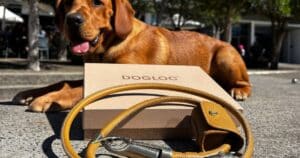

To choose the right dog coat, consider your dog’s breed, age, size, natural coat, health and lifestyle, as well as where and when they will wear it. The right coat should provide warmth or protection from the weather while fitting comfortably and allowing your dog to move freely.
Canine couture may look cute, but there’s much more to choosing a coat than finding the latest colour or design. Some dogs genuinely benefit from an extra layer during cold or wet weather, while others may become uncomfortable or overheat in one.
Not every dog needs to wear a coat during winter. Some dogs have dense, insulating coats of their own, while others have very little natural protection against cold, wind and rain.
Your dog may benefit from wearing a coat if they:
Your dog’s individual response to the weather is more important than relying on a blanket rule based solely on their breed.
When choosing a jacket for your dog, think about the level of warmth and protection your dog needs, the activities they will be doing and how long they are likely to wear it.
A warm, padded coat may suit a senior dog on a slow winter walk, while an active dog may need something lighter and more breathable. A waterproof option is generally a better choice for wet conditions than a thick material that will absorb water and become heavy.
Many short-haired and single-coated breeds struggle to retain as much warmth as dogs with thick, double coats.
Breeds that may need extra protection, not only in Winter, but at other times of the year when temperatures drop, include:
Greyhounds, Whippets and Italian Greyhounds are particularly vulnerable to the cold because they have fine coats and relatively little body fat. Their deep chests and narrow waists also mean they may need a jacket or jumper designed specifically for the shape of a sighthound, like those found in the Wriggley Diggley range.
Senior dogs often need additional warmth, even if they did not need a coat when they were younger.
As dogs age, they lose muscle mass, become less active or develop thinning hair. Arthritis and other joint conditions can also make cold weather more uncomfortable.
A lightweight, warm coat can help keep an older dog comfortable during gentle walks, or on particularly cold days. Look for a design that is easy to put on without requiring stiff or painful legs to be lifted or bent unnecessarily.
Dogs recovering from illness or surgery, and those with conditions that affect their ability to regulate their body temperature, will also benefit from wearing a coat. Speak to your veterinarian if you are unsure what is appropriate for your dog.
The right material depends on where and when your dog will be wearing the coat.
A fleece-lined, padded or knitted coat, like those found in the DGG range, can provide extra warmth in cold, dry conditions. The material should be breathable, lightweight and soft against your dog’s skin.
If your dog is happy to head out in the rain, choose a waterproof or water-resistant coat. This will help keep their body dry without absorbing water and becoming cold or heavy.
If your dog needs protection from both rain and cold, look for a coat that combines a waterproof outer layer with a lightweight, insulating lining.
Reflective strips or bright colours can also improve visibility when walking early in the morning or after dark. Check out the Ruff ‘n’ Rugged range for the outdoor enthusiasts.
Getting the fit right is one of the most important parts of choosing a coat for your dog. It should be snug enough to stay in place, but not so tight that it restricts your dog’s movement or rubs against their skin.
A coat that is too tight may:
A coat that is too large may twist, slip or become caught on objects. Loose straps can also become tangled around your dog’s legs.
Before purchasing a coat for your dog, measure your dog’s:
Do not rely entirely on labels such as small, medium or large, as sizing can vary considerably between brands.
Once the coat is on, check that you can comfortably slide two fingers beneath the neck and chest areas. Make sure it does not press against your dog’s throat, rub behind their front legs or cover the area they need to toilet.
Your dog should be able to walk, run, lie down and toilet comfortably while wearing their coat.
Watch them move from the front, side and behind. Check that their natural stride is not shortened and that the coat does not pull across their shoulders or chest.
Sleeveless dog coats can be a good choice because they help keep the body warm without enclosing or restricting the legs. This can be particularly important for active dogs and seniors with joint stiffness.
Many double-coated breeds have a dense undercoat that provides natural insulation against cold conditions.
These breeds may include:
Many of these breeds were originally developed to live or work in extremely cold climates. Adding another layer may cause them to become too warm, particularly during exercise or in Australia’s relatively mild winter conditions.
However, breed alone does not provide the complete answer. An elderly, unwell, recently clipped or unusually cold-sensitive double-coated dog may still benefit from a coat in some situations.
Watch your individual dog for signs that they are either too cold or too hot.
Dog coats are not designed to be worn continuously. Remove their coat when:
A coat that has become wet should be removed promptly, as damp material can make your dog colder and may contribute to skin irritation.
Leaving a dog coat on for too long may also trap moisture, prevent the skin from breathing and contribute to knots or matting. This is particularly important for dogs with long, fine, curly or woolly hair.
Remove the coat regularly to brush your dog and check their skin for redness, rubbing, matting or irritation.
Your dog cannot tell you they need another layer, so it is important to watch their body language.
Signs your dog may be cold include:
If your dog is showing signs of being cold, move them somewhere warm and dry. A suitable coat may help protect them during future outings.
Dogs can quickly become too warm when wearing a jacket or jumper, particularly during exercise or when they move into a heated environment.
Signs your dog may be overheating include:
Remove the coat immediately and allow your dog to cool down gradually. Seek urgent veterinary advice if your dog appears weak, confused, collapses or continues to show signs of overheating.
Help Your Dog Feel Comfortable Wearing a Coat
Some dogs immediately accept wearing a coat, while others may freeze, scratch at it or try to remove it.
Introduce a new coat gradually using positive reinforcement:
Never force your dog into a jacket or jumper or punish them for appearing worried. If they continue to resist wearing it, check that it is not too tight, heavy, noisy or uncomfortable.
Freezing or refusing to move is not necessarily your dog being stubborn. It may indicate that they are worried by the sensation or that the coat is restricting their movement.
Once you have considered warmth, weather protection, fit and comfort, you can have some fun choosing a style that suits your dog’s personality.
The DGG range includes practical sleeveless designs that help keep dogs warm without restricting their legs. Depending on your dog’s needs, you can choose from lightweight layers, warmer winter coats and weather-resistant options.
Whatever design you select, the right coat is one that suits your dog’s individual needs, stays securely in place and allows them to move comfortably.
How do I know if my dog needs a coat?
Your dog may need a coat if they have short or fine hair, little body fat, are elderly, have a health condition or show signs of feeling cold. Shivering, slowing down, lifting the paws and seeking warmth can all indicate that your dog needs extra protection.
What type of dog coat should I choose?
Choose a warm, breathable coat for cold and dry conditions, or a waterproof jacket for wet weather. If conditions are both cold and wet, look for a waterproof outer layer with a lightweight insulating lining.
How should it fit?
Your dog’s jacket or jumper should fit snugly without restricting movement. You should be able to slide two fingers beneath the neck and chest areas. It should not rub behind the legs, press against the throat or interfere with toileting.
At what temperature should a dog wear a coat?
There is no single temperature that applies to every dog. Breed, size, natural coat, age, health, wind, rain and activity level all affect how cold a dog feels. Watch your individual dog rather than relying only on the forecast.
Should senior dogs wear coats in winter?
Many senior dogs benefit from wearing a jacket because ageing can lead to reduced muscle mass, thinning hair, reduced activity and painful joints. Choose a lightweight one that is easy to put on and does not restrict movement.
Should double-coated dogs wear winter coats?
Most healthy double-coated dogs do not need an additional winter coat in ordinary Australian conditions. However, an elderly, unwell, recently clipped or unusually cold-sensitive dog may still benefit from one.
Can dogs overheat while wearing a coat?
Yes. Dogs can overheat when wearing a coat in mild weather, inside a heated home or during energetic exercise. Remove the coat if your dog begins panting heavily, slowing down or seeking a cool place.
How long can a dog wear a coat?
A dog should wear a coat only while it is needed. Remove it when your dog comes inside, begins exercising energetically or becomes too warm. Take it off regularly to brush your dog and check their skin for rubbing, irritation or matting.
Can My Dog Sleep in a Coat?
A dog can sleep in a coat if they genuinely need extra warmth, but it should be lightweight, breathable, properly fitted and designed for indoor use. Avoid coats with loose straps, zips, hoods or other parts that could become caught while your dog is unsupervised.
Most healthy dogs should not need a coat overnight in a comfortably heated home. However, senior dogs, very small dogs, short-haired breeds and dogs with little body fat or certain health conditions may appreciate an extra layer in a cold room.
Check that your dog is not panting, restless or hot beneath the coat, and remove it if it becomes wet. The coat should also be removed daily so you can brush your dog and check for rubbing, skin irritation or matting.
If your dog has suddenly become more sensitive to the cold, speak to your vet to rule out an underlying health issue.
About the Author: Lara Shannon is a certified dog behaviourist and trainer, pet food nutrition specialist, Executive Producer and Host of Pooches at Play on Channel 10 and editor of Poochesatplay.com. Lara also runs her own dog training business in Melbourne’s Bayside area and is the Author of World of Dogs and Eat, Play, Love Your Dog
Dog theft: How to keep your dog safe

Environmental enrichment for dogs

Crate training your dog or puppy

Get your paws on Lara Shannon’s best selling books ‘Eat, Play, Love (your dog) and World of Dogs.
Available in Australia, USA, UK and Canada.