


Itchy skin in dogs is a very common reason for veterinary visits. While allergies are frequently responsible, persistent scratching, licking or chewing can also be caused by fleas, skin infections, contact irritation and other underlying conditions.
Any dog can experience skin problems, although some breeds – including Maltese, terriers, Staffies, Bulldogs, Labradors and Golden Retrievers – may be more prone to allergies, Atopic Dermatitis or recurring skin irritation.
Because many different conditions can cause itchy skin in dogs, identifying the underlying trigger is essential. Simply treating the itch may provide temporary relief, but the problem is likely to return if the cause is not properly managed.
Dogs cannot tell us when their skin feels uncomfortable, so it is important to recognise the early warning signs.
Persistent scratching
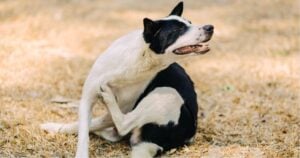
Frequent scratching is one of the most obvious signs of itchy skin in dogs. Pay attention if your dog repeatedly scratches or rubs their ears, face, belly, groin or other areas of the body.
Persistent itching may be caused by allergies, parasites, flea allergy dermatitis, infection or conditions such as Atopic Dermatitis in dogs.
Licking and chewing
Dogs often lick, nibble or chew irritated areas. Excessive paw licking is particularly common in dogs affected by environmental allergies.
You may notice redness between the toes, saliva staining on light-coloured fur or an unpleasant odour if a secondary yeast or bacterial infection develops.
Red or inflamed skin
Skin affected by allergies or irritation may appear red, raised or inflamed. In more severe cases, the area can become moist, weepy or painful.
Dry or flaky skin
Dogs can experience dry, scaly or flaky skin, particularly during colder weather or after being washed with unsuitable grooming products. Dryness can also develop when allergies and repeated scratching damage the skin barrier.
Recurring ear problems
Head shaking, ear scratching, redness, odour or discharge can accompany skin allergies. Recurring ear infections are sometimes one of the first indications that a dog has an underlying allergic condition. Seeing your vet as soon as you notice your dog shaking it’s head or trying to scratch it’s ears, more than a quick one off itch here in there, is vital as something more sinister could be contributing to your dog’s ear irritation. This includes checking for grass seeds, ear mites, and other ear canal and ear drum issues.
Hair loss and coat changes
Repeated scratching and chewing can cause thinning hair or bald patches. Your dog’s coat may also become dull, greasy or develop an unusual smell.
Hot spots
Hot spots are red, moist and painful areas of inflamed skin. They often develop when persistent scratching, licking or biting damages the skin and allows bacteria to multiply. Hot spots can worsen quickly and generally require prompt veterinary attention.
Dogs with a double coat should always be dried thoroughly after being bathed or a swim, otherwise hot spots can easily form under their dense undercoat. Regular de-shedding is also important for these dogs. Learn more about caring for a dog with a double coat HERE.
Digestive symptoms
Some dogs with an adverse reaction to food may also experience loose stools, vomiting, flatulence or increased bowel movements. However, gastrointestinal symptoms do not occur in every case of food allergy.
Finding the cause of itchy skin in dogs can take time because several conditions produce similar symptoms. Some dogs may also have more than one trigger.
Environmental allergies
Pollen, grasses, mould spores and dust mites can cause environmental allergies, also known as canine atopic dermatitis.
Depending on the allergen, symptoms may occur seasonally or persist throughout the year. Dogs with environmental allergies commonly lick their paws, scratch their ears or rub their face and body.
Wiping or rinsing your dog’s paws and coat after a walk may help remove surface allergens. Regular washing with a gentle, veterinary-approved shampoo may also provide relief, although excessive bathing can dry and irritate the skin further.
Keeping the coat very short is not always necessary and may reduce some of the natural protection it provides. Ask your veterinarian or groomer about the most suitable coat length and bathing schedule for your dog.
Flea allergy dermatitis
Fleas are another common cause of itchy skin in dogs. Flea allergy dermatitis occurs when a dog has an allergic reaction to flea saliva. For a sensitive dog, even one or two flea bites can trigger intense itching.
Consistent flea prevention is essential, and every dog and cat in the household may need to be treated. The home environment may also require attention because flea eggs and larvae can be present in bedding, carpets, furniture and outdoor areas.
Learn more about flea allergy dermatitis HERE and how to prevent, treat and break the flea cycle should you find a flea on your dog HERE.
Food allergies and sensitivities
Food allergies are less common than environmental allergies, but they can cause ongoing itching, paw licking and recurring ear problems. Some affected dogs also experience digestive symptoms.
Dogs with food allergies generally react to a particular protein rather than simply to a type of food. Frequently eaten proteins such as chicken or beef may be involved, although any ingredient has the potential to cause a reaction.
Plus, ultra processed kibble diets can lead to inflammation in the body, so read more about the impact feeding a dry food only diet to your dog could be having on it’s health HERE.
Commercial blood, saliva and hair tests are not currently considered reliable for diagnosing food allergies in dogs. The recommended approach is generally a strict elimination diet undertaken with veterinary guidance where they may recommend a hydrolysed diet or a complete and balanced single protein diet containing a protein your dog has not previously eaten.
Prime100 Single Protein Diets offer a range of complete and balanced recipes made with carefully selected single animal proteins. Depending on your dog’s dietary history and your veterinarian’s advice, a novel Prime100 recipe may be used as part of a controlled elimination diet or longer-term feeding plan.
Learn more about elimination diets HERE. My book, Eat, Play, Love (your dog) has many chapters dedicated to helping you understand the impact food has on a dog’s health, how to choose the best diet for your dog, and much more to help your dog thrive. Order your copy from our shop HERE.
Contact irritation
Grass, household cleaners, garden chemicals, fragrances and grooming products can irritate a dog’s skin.
Contact reactions are often most noticeable on areas with less hair, including the belly, paws, muzzle and groin. Consider what your dog may have recently walked through, lain on or come into contact with if the irritation appears suddenly.
Do not apply human skincare products or essential oils to your dog unless specifically directed by a veterinarian.
Harsh grooming products
A dog’s skin differs from human skin and can be damaged by strong soaps, fragrances and incorrectly formulated grooming products.
Choose a gentle shampoo specifically designed for dogs. If your dog has sensitive or allergy-prone skin, ask your veterinarian to recommend the most appropriate shampoo and bathing frequency.
Secondary bacterial or yeast infections
Allergies can weaken the skin barrier, while repeated scratching creates further damage. This can allow bacteria or yeast to multiply, making itchy skin in dogs even more uncomfortable.
Signs of a secondary infection can include increased redness, greasy skin, crusting, hair loss, discharge or a strong odour.
These infections often require veterinary diagnosis and treatment. Addressing the infection alone may provide temporary relief, but the underlying allergy or skin condition will also need to be managed.
Managing itchy skin in dogs often requires a combination of veterinary care, appropriate nutrition, parasite prevention and carefully selected skin-support products.
Essential fatty acids
Omega fatty acids can help support the skin barrier and maintain a healthy coat.
Natural Animal Solutions Omega 3, 6 + 9 Skin + Coat Oil combines flaxseed, cod liver, sunflower and olive oils with vitamin E. It can be added to an appropriate diet to provide nutritional support for the skin and coat.
Because oils add calories and may not be suitable for every dog, check the appropriate amount with your veterinarian and always follow the directions on the product label.
Gut health and probiotics
The relationship between the digestive system, immune response and skin is sometimes called the gut-skin axis. A healthy intestinal microbiome may contribute to normal immune and skin-barrier function.
A quality probiotic supplement for dogs may provide additional support when used alongside a complete and balanced diet and your veterinarian’s treatment plan. However, probiotics should not be considered a standalone treatment for allergies or skin disease.
You can also learn more about the proposed connection between gut health and skin problems in dogs.
Topical products can help soothe and protect mild areas of itchy skin in dogs while the underlying cause is being investigated and treated.
ItchyScratch Spray
Natural Animal Solutions ItchyScratch Spray is formulated to soothe irritated areas and has a bitter taste that may help discourage licking and chewing.
It can be applied to areas such as the paws and body according to the product directions. Preventing ongoing licking and chewing can help reduce further damage to already-irritated skin.
Dermal Cream
Natural Animal Solutions Dermal Cream provides moisturising barrier support for dry patches, rashes and areas of irritated skin.
It may be used alongside ItchyScratch Spray to help protect the skin and reduce further irritation caused by licking, chewing and scratching.
These products are designed to complement appropriate veterinary care. Avoid applying topical products to deep wounds, severely inflamed or infected skin, or around the eyes unless the label and your veterinarian confirm that it is safe.
Even when a professionally formulated pet product contains tea tree oil or other botanical ingredients, never substitute undiluted essential oils. Concentrated essential oils can be harmful to pets.
Allergies can sometimes affect a dog’s eyes and ears as well as their skin.
Eye redness, squinting, swelling, pain, cloudiness or discharge requires prompt veterinary attention. While persistent head shaking, ear pain, odour or discharge may indicate an infection, allergy, foreign body or another underlying problem.
It is vital that you contact your vet before putting any product into a painful ear unless your veterinarian has confirmed that the eardrum is intact and the product is suitable.
Natural Animal Solutions Eye Clear is a saline-based product designed to gently cleanse around the eyes and provide support at the first signs of mild irritation, however, given your dog could be suffering from an ulcer or any other serious eye condition, this is to be used only once your vet has confirmed it is okay to do so.
Likewise with the Natural Animal Solutions Ear Clear, which is an external ear solution that can be used as directed when routine ear cleaning is appropriate.
There is rarely one simple solution for itchy skin in dogs. Successful management generally involves identifying and addressing the underlying trigger while supporting the skin from both the inside and outside.
Depending on your dog’s diagnosis, their treatment plan may include:
Arrange a veterinary appointment if your dog’s itching persists, interferes with their sleep or causes broken skin.
You should also seek veterinary advice if you notice:
Depending on the cause, treatment for itchy skin in dogs may include prescription itch relief, medicated shampoo, antibiotics, antifungal medication, immunotherapy, dietary management or referral to a veterinary dermatologist.
Treating the immediate flare-up is important, but developing a long-term plan to identify and manage the underlying trigger will give your dog the best chance of remaining comfortable.
What is the most common cause of itching in dogs?
Fleas and environmental allergies are common causes, but parasites, skin infections, food allergies and other medical conditions can produce similar symptoms. A veterinary examination is the best way to determine the cause.
How can I tell whether my dog has a food or environmental allergy?
It is difficult to distinguish between food and environmental allergies based on symptoms alone.
Environmental allergies often affect the paws, face, ears and belly and may be seasonal, but this is not definitive. A strict veterinary-supervised elimination diet is generally required to properly investigate a suspected food allergy.
Can changing my dog’s food help itchy skin?
Changing your dog’s food may help if a food allergy or sensitivity is contributing to the problem. Plus, good gut health also plays a vital role in your dog’s overall health and wellbeing so transitioning away from an ultra processed kibble, to a fresher complete and balanced diet and improving their gut health with an effective probiotic can certainly help.
Your veterinarian may recommend a hydrolysed diet or an appropriate Prime100 Single Protein Diet as part of a controlled elimination trial. Simply changing between different standard foods may make it harder to determine which ingredient is responsible.
Reducing exposure to known irritants, maintaining reliable parasite prevention and using appropriate skin-support products may help with mild irritation.
However, persistent itchy skin in dogs requires veterinary investigation. Untreated allergies and infections can lead to damaged skin, painful hot spots and recurring secondary infections.
Are Natural Animal Solutions products a replacement for veterinary treatment?
No. Natural Animal Solutions products such as Omega 3, 6 + 9 Skin + Coat Oil, ItchyScratch Spray and Dermal Cream may help support the skin and coat, but they should complement veterinary diagnosis and treatment rather than replace it.
About the Author: Lara Shannon is a certified dog behaviourist and trainer, pet food nutrition specialist, Executive Producer and Host of Pooches at Play on Channel 10 and editor of Poochesatplay.com. Lara also runs her own dog training business in Melbourne’s Bayside area and is the Author of World of Dogs and Eat, Play, Love Your Dog
Benefits of Slow Cooked Dog Food

Psychodermatology in Dogs: The Itch-Stress Connection


Should you wash a dog after swimming?

Get your paws on Lara Shannon’s best selling books ‘Eat, Play, Love (your dog) and World of Dogs.
Available in Australia, USA, UK and Canada.