

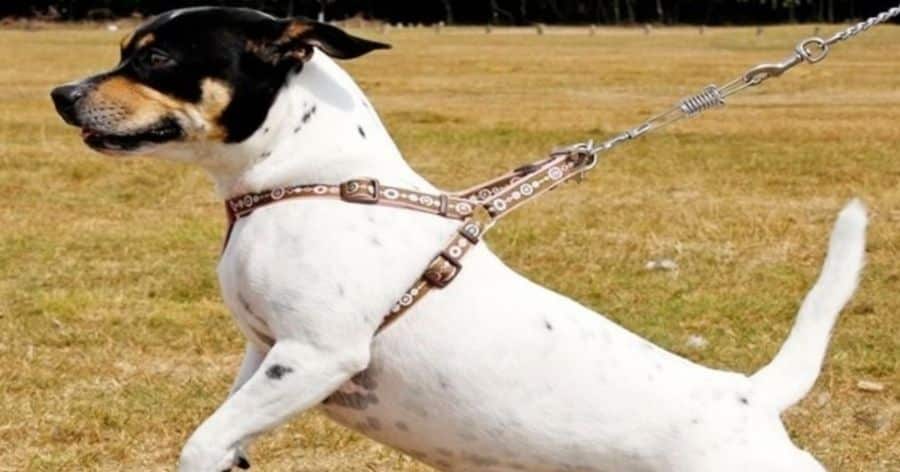
Is your dog excited before a walk, barking, jumping, spinning around or pulling as soon as the lead comes out? To encourage calmer behaviour, you need to change the association between having the lead attached and immediately leaving for a walk, not simply try to stop the unwanted behaviour.
By regularly putting on your dog’s lead without taking them for a walk, you can reduce the intensity of their excitement and create a calmer starting point for loose lead walking training.
Dogs are very good at forming associations between everyday actions and what happens next.
If putting on your dog’s collar or lead is always followed immediately by a walk, they will quickly learn that the lead predicts something exciting. Over time, your dog may start reacting before you even attach it.
They might become excited when you:
Your dog may then bark, whine, jump, spin, grab the lead or rush towards the door.
This excitement can also contribute to pulling. If your dog is already highly aroused before you leave home, it will be much harder for them to concentrate, listen to you and walk calmly once they are outside.
To calm a dog that gets excited before a walk, start teaching them that having the lead attached does not always mean they are about to leave the house.
Practise putting the lead on at different times of the day when you are not planning a walk. Keep each session brief, calm and positive.
Over time, this can weaken the automatic association between the lead and the excitement of going out.
Calmly attach your dog’s lead and ask them to perform a drop-stay.
Reward them for lying down and remaining settled. Use small treats, quiet praise or another form of positive reinforcement your dog enjoys.
Keep the exercise short and achievable, particularly when you first begin. The goal is not to test how long your dog can control their excitement. It is to help them learn that they can remain calm and respond to you while wearing the lead.
Attach your dog’s lead and then sit down to have a cup of tea, or continue with another quiet household activity. Do not head straight for the door. Give your dog time to settle before beginning the walk.
Avoid repeatedly telling your dog to sit or be quiet while they are highly excited. Instead, remain calm and reward them as soon as they offer a more settled behaviour.
At other times, attach your dog’s lead, wait briefly and then remove it without going anywhere.
Nothing exciting needs to happen. Simply put the lead on, allow your dog to settle and then take it off again. This teaches your dog that the lead does not always predict an immediate walk.
If your dog gets excited before a walk, try attaching their lead up to 10 times throughout the day, without leaving the house.
You could:
Spread the repetitions across the day rather than completing them all in one session.
If your dog becomes increasingly frustrated or overstimulated, begin with fewer repetitions and build up gradually. Training should remain calm and manageable for both you and your dog.
This doesn’t mean your dog misses a walk for the day. You can incorporate the other tip of putting on your dog’s lead and not walking out the door, and then when they do get tired of waiting and sit or lay down calmly, that is when you would calmly get up and exit the house.
Once your dog is less reactive to the lead, you can also work on other actions that predict a walk. Try putting on your walking shoes and sitting down again, picking up your keys without leaving or approaching the front door, before returning to another activity.
Changing your dog’s association with the lead will not automatically teach them to walk without pulling. However, it can significantly reduce their excitement and make loose lead walking training easier.
When it is time for a walk, reinforce calm behaviour at every stage:
Your dog can still enjoy and look forward to their walk. The aim is to teach them that calmer behaviour helps the walk begin and continue.
When you begin changing an established association, you may temporarily see the unwanted behaviour become more frequent or intense. This is known as an extinction burst.
For example, if barking, jumping or pulling has always been followed by the door opening, your dog may initially try repeating these behaviours with even greater intensity during your desensitisation training.
This is very common with any behaviour change training, and occurs because it previously worked for them before, and they are frustrated and/or testing whether it will still produce the expected result again.
Remain calm and consistent, avoid punishing your dog and continue reinforcing the behaviour you want to see. With time and repetition, this temporary increase in frustration should abate as your dog begins to understand the new routine, and the reward that comes with being calm.
If your dog becomes extremely distressed, anxious or unable to settle, seek help from a qualified positive reinforcement dog trainer or veterinary behaviourist.
If your dog is excited before a walk, remember that the behaviour has probably developed through many repetitions. Changing the association will also take repetition.
Keep your training sessions short and calm, and make sure everyone in the household follows the same routine.
By teaching your dog that putting on the lead does not always mean leaving immediately, you can reduce barking, jumping and rushing. This creates a much calmer start to the walk and a better foundation for loose lead walking training.
You can find tips on loose lead training HERE.
Why Does My Dog Get So Excited Before a Walk?
Your dog has most likely learned that certain actions, such as picking up the lead or putting on your shoes, predict an exciting walk. Repeating these actions at other times without leaving can help weaken that association.
How Do I Calm My Dog When the Lead Comes Out?
Put the lead on at random times without going for a walk. You can practise a drop-stay, sit quietly for a few minutes or remove the lead again once your dog has settled. Reward calm behaviour throughout the process.
Should I Wait Until My Dog Is Calm Before Walking?
Yes, but aim for a realistic level of calm rather than expecting your dog to remain perfectly still. Initially, you might reward four paws on the floor, less barking or a brief moment of settled behaviour.
How Often Should I Practise Putting the Lead On?
You can practise attaching the lead up to 10 times throughout the day without going for a walk. Begin with fewer repetitions if your dog becomes frustrated or overstimulated. Your dog still needs to be walked daily however, so if you find they aren’t calming down at any attempt, leave the lead on and don’t go out just yet – let them calm down (which they will at some point) and that is when you calmly pick it up and walk out the door (that will then help to reinforce the calm behaviour as well, rather than giving up and rewarding the unwanted behaviour because it got ‘too hard’).
Will This Stop My Dog Pulling on the Lead?
Reducing excitement before leaving home can make loose lead walking training easier, but it may not stop pulling on its own. You will still need to reward your dog for walking with a loose lead and responding to you outside.
Should I Punish My Dog for Barking or Jumping Before a Walk?
No. Punishment can increase fear, frustration or arousal. Instead, calmly change your dog’s association with the lead and use positive reinforcement to reward the behaviour you want.
About the Author: Lara Shannon is a certified dog behaviourist and trainer, pet food nutrition specialist, Executive Producer and Host of Pooches at Play on Channel 10 and editor of Poochesatplay.com. Lara also runs her own dog training business in Melbourne’s Bayside area and is the Author of World of Dogs and Eat, Play, Love Your Dog
Calm an Anxious Dog at the Vet or Groomer


Environmental enrichment for dogs

Get your paws on Lara Shannon’s best selling books ‘Eat, Play, Love (your dog) and World of Dogs.
Available in Australia, USA, UK and Canada.