


Common dog behaviour problems such as toileting inside, destructive chewing, excessive barking, jumping, digging and reacting aggressively towards people or other dogs can be frustrating and distressing for owners.
However, these behaviours rarely happen without a reason. They may be linked to anxiety, fear, pain, boredom, frustration, insufficient socialisation or a dog’s needs not being adequately met.
Behaviour is a form of communication. Rather than focusing only on stopping an unwanted behaviour, it is important to understand what is driving it and teach your dog a safer, more appropriate alternative.
There is rarely one simple explanation for a dog’s behaviour. Genetics, early experiences, health, training history, environment and lifestyle can all play a role.
Common contributing factors include:
A sudden behaviour change should always be taken seriously. If a previously settled dog begins toileting indoors, snapping when touched, becoming restless or behaving unusually, arrange a veterinary examination to rule out pain or another medical cause.
If you return home to find that your dog has toileted inside or chewed the furniture, punishing them will not teach them what they should have done instead.
Dogs cannot connect latent punishment with something they did much earlier. What may look like a “guilty” expression is generally an attempt to respond to your angry voice, posture or facial expression.
Your dog has not destroyed something or toileted inside to get back at you. The behaviour may be associated with anxiety, boredom, incomplete toilet training, insufficient access to an appropriate toileting area or another unmet need. Read more about why dogs do not feel guilt HERE.
Punishment can increase fear without addressing the cause. Instead, manage the environment to prevent a repeat, clean up calmly and consider what needs to change.
Growling, barking, lunging and snapping are often described simply as aggression, but these behaviours can have several underlying causes.
Many dogs react because they are frightened or feel threatened. Others may be experiencing pain, frustration, over-excitement, territorial behaviour or resource guarding.
Growling is a warning that a dog is uncomfortable. Punishing that warning does not necessarily change how the dog feels – it may simply teach them to stop warning before escalating to a bite.
If your dog displays reactivity or aggression:
Avoid situations that place people or animals at risk while you are working on the behaviour.
Every dog is an individual, so there is no single solution that will suit them all. However, meeting your dog’s physical, mental and social needs provides a strong foundation for good behaviour.
Provide suitable daily exercise
Give your dog daily exercise suited to their breed, age, health and temperament. More exercise is not always better, particularly for puppies, senior dogs or dogs with health conditions.
Walks should provide opportunities to sniff and explore rather than focusing only on distance. Scenting is an important source of mental stimulation and can help dogs engage with their environment.
If your dog is anxious or reactive around people or other dogs, choose quieter locations and times while you work on the underlying issue.
Use their food for enrichment
Rather than serving every meal in a bowl, use part of your dog’s daily food allowance for enrichment.
Treat-dispensing toys, snuffle mats, slow feeders and other interactive puzzle toys encourage dogs to sniff, lick, problem-solve and work for their food.
You can also scatter dry food through the grass or hide small portions around the home or garden. Choose activities appropriate for your dog, supervise where necessary and account for treats within their daily food intake. Read about the benefits of scatter feeding HERE.
Provide appropriate outlets for natural behaviour
Digging, chewing, chasing and shredding are natural canine behaviours. Problems often develop when dogs do not have an appropriate way to express them.
If your dog enjoys digging, provide a designated sandpit or digging area and hide toys or treats in it. If they are a keen chewer, offer suitable chew toys and prevent access to furniture or unsafe household objects.
Puppies that are teething need safe chewing options, supervision and consistent redirection rather than punishment.
Make time for social interaction
Dogs are social animals and need regular interaction with their human family. The company of another pet does not necessarily replace human contact.
Spend time walking, playing, training and relaxing with your dog each day. If your dog regularly spends long periods alone, consider whether a trusted dog walker or pet carer could help break up the day.
Dogs should also have a comfortable place inside the home where they can safely spend time with the family. Read more about the importance of family interaction for outdoor dogs.
Include short, positive training sessions
A few minutes of reward-based training each day can provide valuable mental stimulation while improving communication between you and your dog.
Practise useful skills such as coming when called, settling on a mat, walking calmly on lead, waiting at doors and responding to a release word.
Reward the behaviours you want to see more often. Short, enjoyable sessions are generally more productive than long or repetitive ones.
Establish a predictable routine
Dogs often benefit from a reasonably predictable routine that includes exercise, meals, rest, play, training and time alone.
Predictability can help a dog feel secure, but it is also useful to introduce some gentle variation so they do not become distressed when the exact schedule changes.
If your dog struggles to be left alone, begin independence training gradually. Encourage them to relax in a comfortable space while you remain nearby, then slowly increase the distance and duration.
Pair short periods of separation with something positive, such as a safe chew or food-dispensing toy. Keep departures and arrivals calm. If your dog shows signs of panic, seek professional advice rather than continuing to increase the time alone.
You can also learn more about helping dogs with separation anxiety.
Set clear and consistent boundaries
Consistency helps dogs understand what is expected of them. Everyone in the household should use the same cues and respond to behaviour in a similar way.
Focus on teaching and rewarding an alternative rather than repeatedly telling your dog what not to do.
For example, pushing a jumping dog away or speaking to them may still provide the attention they wanted. Instead, reward them for keeping four paws on the floor, sitting or going to a designated mat.
Consider whether your response might be unintentionally reinforcing the unwanted behaviour. If barking results in attention, jumping leads to physical interaction or pulling reaches an interesting smell more quickly, the behaviour may continue because it works.
Seek professional advice if your dog’s behaviour:
Your veterinarian should be the first point of contact when pain, illness or significant anxiety may be involved. They can assess your dog’s health and, where appropriate, refer you to a qualified trainer, behaviour consultant or veterinary behaviourist.
In some instances, medication may be required to help with the behaviour modification process. Learn more about that HERE.
Dog behaviour problems rarely improve through punishment or by simply waiting for them to disappear. Early support, careful management and consistent reward-based training can prevent unwanted behaviours from becoming more established.
What are the most common dog behaviour problems?
Common problems include barking, jumping, pulling on the lead, toileting indoors, destructive chewing, digging, separation-related behaviour, resource guarding and reactivity towards people or other animals.
Why has my dog’s behaviour suddenly changed?
Sudden behaviour changes can be caused by pain, illness, fear, and adverse event that has caused them stress or fear, or changes within the dog’s environment. Arrange a veterinary check before assuming the behaviour is purely a training issue.
Should I punish my dog for bad behaviour?
No. Punishment may increase fear and does not teach your dog what to do instead. Identify the reason for the behaviour, prevent opportunities to practise it and reward a suitable alternative.
Can dog behaviour problems be fixed?
Many behaviour problems can be significantly improved or successfully managed. The outcome depends on the cause, severity, duration and consistency of the training and management plan. Seeking help early generally provides the best chance of improvement.
About the Author: Lara Shannon is a certified dog behaviourist and trainer, pet food nutrition specialist, Executive Producer and Host of Pooches at Play on Channel 10 and editor of Poochesatplay.com. Lara also runs her own dog training business in Melbourne’s Bayside area and is the Author of World of Dogs and Eat, Play, Love Your Dog
Calm an Anxious Dog at the Vet or Groomer

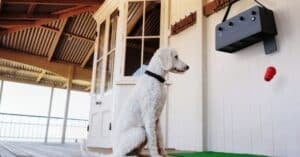
Environmental enrichment for dogs


Get your paws on Lara Shannon’s best selling books ‘Eat, Play, Love (your dog) and World of Dogs.
Available in Australia, USA, UK and Canada.