
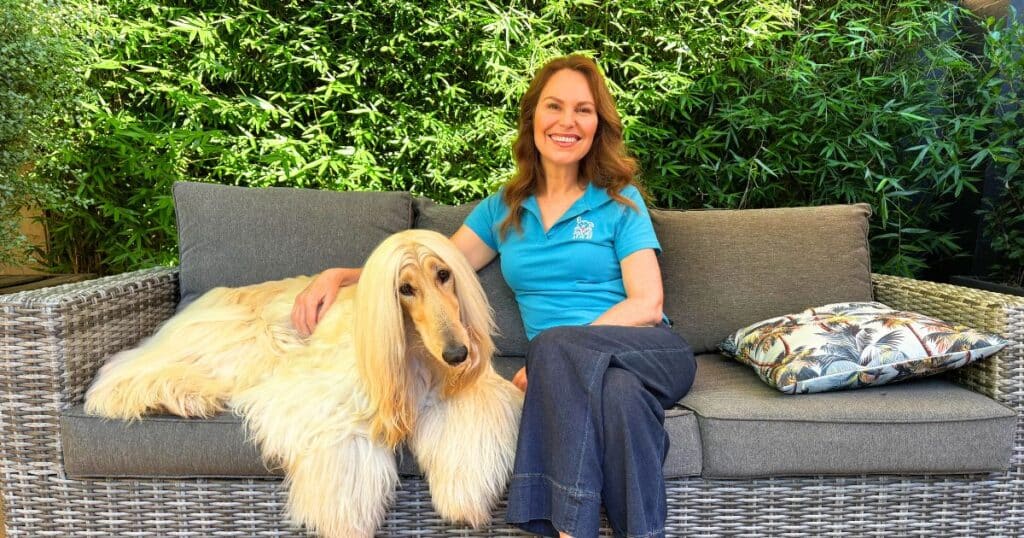
With their flowing coat, elegant build and regal presence, Afghan Hounds are sometimes described as the “King of Dogs”- and it isn’t difficult to see why.
However, there is much more to this striking breed than its glamorous appearance. Afghan Hounds are athletic sighthounds with a strong prey drive instinct to run and chase. They are also intelligent, sensitive and independent, requiring patient training, secure exercise areas and considerable grooming.
The Afghan Hound is regarded as an ancient breed, although its earliest history is difficult to document.
The breed developed across Afghanistan and surrounding regions, where dogs of this type were used to pursue fast-moving prey across rugged, mountainous terrain.
Their long legs, speed and keen eyesight made them highly effective sighthounds, meaning they hunt primarily by sight rather than scent.
This prey drive instinct remains strong in many Afghans today. They may chase wildlife, cats or anything else that moves quickly, so they should remain on lead unless exercising in a securely fenced area.
The Afghan Hound is known for its:
Afghan Hounds come in many colours and patterns. Despite their glamorous appearance, they are strong, agile dogs developed for speed and endurance rather than simply being ornamental companions.
Afghan Hounds are generally dignified, independent and sometimes aloof. They can be affectionate and playful with their families while remaining more reserved around strangers.
They are intelligent but do not always have the same eagerness to please as some other breeds. Training requires patience, consistency and rewards that genuinely motivate the individual dog.
Short, engaging positive reinforcement training sessions generally work best. Harsh corrections and repetitive exercises may cause these sensitive dogs to disengage.
Early training and socialisation should focus on calm lead walking, recall foundations, grooming and handling, settling calmly, and appropriate behaviour around people and other animals.
Even a well-trained Afghan may take off after something that triggers its chase instinct, so a long training lead can provide greater freedom without the risks associated with exercising off lead.
Afghan Hounds are natural athletes that need daily exercise, enrichment and opportunities to run in a secure environment.
Because they can accelerate quickly, jump well and travel a considerable distance in a short time, ordinary off-leash areas may not be safe. Look for a large, securely fenced space with suitably high fencing and secure entry gates.
Activities such as lure coursing can provide an appropriate outlet for their natural running and chasing instincts.
Exercise should always be adjusted to suit the individual dog’s age, health and fitness, with care taken to avoid excessive forced or high-impact exercise while puppies are still growing.
The Afghan’s beautiful coat requires a significant commitment.
Their long, fine hair needs frequent brushing and regular bathing to prevent knots and painful matting. Particular attention should be paid to the areas behind the ears, under the legs, around the feet and beneath collars or harnesses.
Getting an Afghan puppy accustomed to brushing, bathing, nail care, ear checks and having its feet handled will make lifelong grooming easier. Learn how to groom a puppy positively HERE.
The breed’s long, heavily coated ears can also fall into food and water bowls. Using a ‘snood’ during meals can help keep them clean and dry.
Owners who cannot maintain the coat themselves will need regular help from a professional groomer familiar with the breed.
Afghan Hounds generally have a lifespan of approximately 12 to 14 years.
Like all breeds, they can be predisposed to certain health conditions. Responsible breeders should undertake recommended health screening, including hip, eye and thyroid assessments.
Hip dysplasia
Hip dysplasia affects the development and function of the hip joints and may lead to pain, arthritis and reduced mobility.
Signs can include stiffness, difficulty rising, an unusual gait or reluctance to jump, climb stairs or exercise. Maintaining a healthy weight can help avoid placing unnecessary strain on the joints. Learn more about Hip dysplasia HERE.
Eye and thyroid conditions
Eye conditions affecting Afghans can include cataracts and progressive retinal atrophy, or PRA, which causes gradual deterioration of the retina and may lead to blindness.
The breed can also experience thyroid problems such as hypothyroidism. Possible signs include lethargy, unexplained weight gain, coat or skin changes and an increased sensitivity to cold.
Speak to your veterinarian if you notice changes in your dog’s vision, weight, energy levels, skin or coat.
Sensitivity to anaesthesia
Afghan Hounds, like some other sighthounds, can respond differently to certain anaesthetic medications.
This does not mean they cannot be safely anaesthetised. Your veterinarian will tailor the anaesthetic plan to the dog’s breed, body condition, age, health and procedure.
Make sure your veterinarian knows your dog is an Afghan Hound before any procedure involving sedation or general anaesthesia.
Gastric dilatation-volvulus or bloat
Due to their deep chest, Afghan’ can have an increased risk of gastric dilatation-volvulus, commonly called GDV or bloat.
This life-threatening condition occurs when the stomach expands and may twist, restricting blood flow and preventing its contents from escaping.
Warning signs can include:
Bloat requires immediate veterinary treatment. Do not wait to see whether the symptoms resolve by themselves. Learn more about the signs, symptoms and treatment of bloat in dogs HERE.
Veterinary treatment for an unexpected illness, accident or emergency can be expensive. Pet insurance may provide financial peace of mind, depending on the policy selected and its applicable limits, terms and exclusions.
To learn more about Knose Pet Insurance and what its policies cover, including exclusion periods and policy terms, visit knose.com.au.
An Afghan Hound may suit an owner who appreciates an independent dog and can provide:
Their striking appearance attracts plenty of attention, but beauty alone is not a good reason to choose an Afghan Hound. They are sensitive, athletic hunting dogs with distinct behavioural and care needs.
For someone prepared to meet those needs, the Afghan Hound can be an affectionate, entertaining and truly memorable companion.
How long do Afghan Hounds live?
Afghan Hounds generally live for approximately 12 to 14 years, although this varies between individual dogs.
Are Afghan Hounds difficult to train?
Afghan Hounds are intelligent but independent. Short, engaging reward-based training sessions generally achieve better results than repetition or harsh corrections.
Do Afghan Hounds need a lot of grooming?
Yes. Their long coat requires frequent brushing and regular bathing to prevent knots and matting. Professional grooming may also be needed.
Can Afghan Hounds be let off lead?
Due to their strong chase instinct, Afghan Hounds should only be allowed off lead in a securely enclosed area with suitably high fencing.
Are Afghan Hounds good family dogs?
Afghan Hounds can be affectionate family companions when properly socialised and their exercise, training and grooming needs are met. Interactions with children should always be supervised.
About the Author: Lara Shannon is a certified dog behaviourist and trainer, pet food nutrition specialist, Executive Producer and Host of Pooches at Play on Channel 10 and editor of Poochesatplay.com. Lara also runs her own dog training business in Melbourne’s Bayside area and is the Author of World of Dogs and Eat, Play, Love Your Dog
Crate training your dog or puppy
Positive reinforcement dog training

Why Healthy Dog Food is so important
Miniature Schnauzer Breed Profile

Get your paws on Lara Shannon’s best selling books ‘Eat, Play, Love (your dog) and World of Dogs.
Available in Australia, USA, UK and Canada.