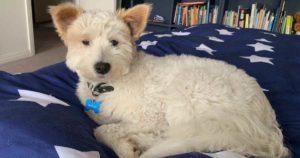

Guide Dogs help people with blindness or low vision move through the world with greater independence, confidence and freedom.
They are more than a highly trained mobility aid. They are trained to help their handlers travel safely and independently through different environments, with their work including helping a handler to:
They can also provide companionship and emotional support. As many dog owners will appreciate, the bond shared with a dog can offer comfort, connection and important mental health benefits.
Not every puppy is suited to working as a Guide Dog. Dogs may be withdrawn or reclassified for health, behavioural or other reasons. Depending on the individual dog, some move into alternative roles as therapy, assistance, facility, ambassador or companion dogs.
Others are carefully matched with loving homes where they can enjoy life as a much-loved pet.
It takes more than two years and costs over $50,000 to breed, raise and train a Guide Dog.
Guide Dogs Australia relies on donations, volunteers and community support to continue providing these dogs and other important services to people with blindness or low vision.
You can help by donating, fundraising, volunteering or becoming a puppy raiser so visit their website to learn more about its services and how you can get involved.
Puppy Raisers provide a future Guide Dog with a loving home during the important first year of their life.
With training and ongoing support from Guide Dogs Australia, puppy raisers help puppies develop good manners, confidence and experience in the different environments they may encounter later in life.
It is a rewarding role, although saying goodbye when the puppy returns for assessment and formal training can be emotional.
Learn more about what is involved in becoming a puppy raiser HERE.
When any assistance dog is wearing a harness, they are working and need to concentrate on keeping its handler safe.
Do not pat, feed, call to or deliberately distract any working assistance dog. If you think the handler may need assistance, speak to the person first rather than touching them, the dog or its harness.
If you are walking your own dog, keep it under control and give both the dog and handler enough room to pass safely.
Read more about safe and respectful interactions with working dogs HERE.
Like all dogs, Guide Dogs eventually reach a stage when it is time to hang up the harness.
The timing of retirement depends on the individual dog’s age, health, wellbeing and willingness to continue working. Guide Dogs Australia supports the handler through what can be an emotional transition and helps determine the most suitable retirement arrangement.
Many retired dogs remain with their handler as a much-loved pet, sometimes living alongside the new dog taking over their working duties. Others may live with a family member or friend, return to their Puppy Raiser or be carefully matched with another loving, vetted home.
Whatever path is chosen, the priority is to ensure the dog receives the care, comfort and companionship they deserve throughout retirement.
This includes NexGard SPECTRA supporting Guide Dogs with parasite protection during their puppy training period, working years and retirement, so they are helping protect these life-changing dogs through every stage of their journey.
What does a Guide Dog do?
A Guide Dog helps a person with blindness or low vision navigate safely and independently. Their work can include avoiding obstacles, stopping at kerbs and helping their handler find doors, crossings and destinations.
How long does it take to train a Guide Dog?
It takes more than two years to breed, raise, train and match a Guide Dog with a suitable handler.
What happens if a puppy does not become a Guide Dog?
Some dogs move into alternative working roles, while others are carefully matched with suitable homes where they can live as pets, or some go back to their puppy raiser.
At what age does a Guide Dog retire?
There is no single retirement age that applies to every Guide Dog. The decision is based on the individual dog’s age, health, wellbeing and ability or desire to continue working.
Can a retired dog stay with its handler?
Yes. Many retired dogs remain with their handler as pets. Others may live with family or friends, return to their puppy raiser or be placed in another carefully selected home.
Can you pat a Guide Dog?
You should not pat or distract any assistance dog while it is working in harness. Always speak to the handler first and respect their response.
About the Author: Lara Shannon is a certified dog behaviourist and trainer, pet food nutrition specialist, Executive Producer and Host of Pooches at Play on Channel 10 and editor of Poochesatplay.com. Lara also runs her own dog training business in Melbourne’s Bayside area and is the Author of World of Dogs and Eat, Play, Love Your Dog

Becoming a Guide Dog Puppy Raiser

Campaign to help address Puppy Scams

Get your paws on Lara Shannon’s best selling books ‘Eat, Play, Love (your dog) and World of Dogs.
Available in Australia, USA, UK and Canada.