

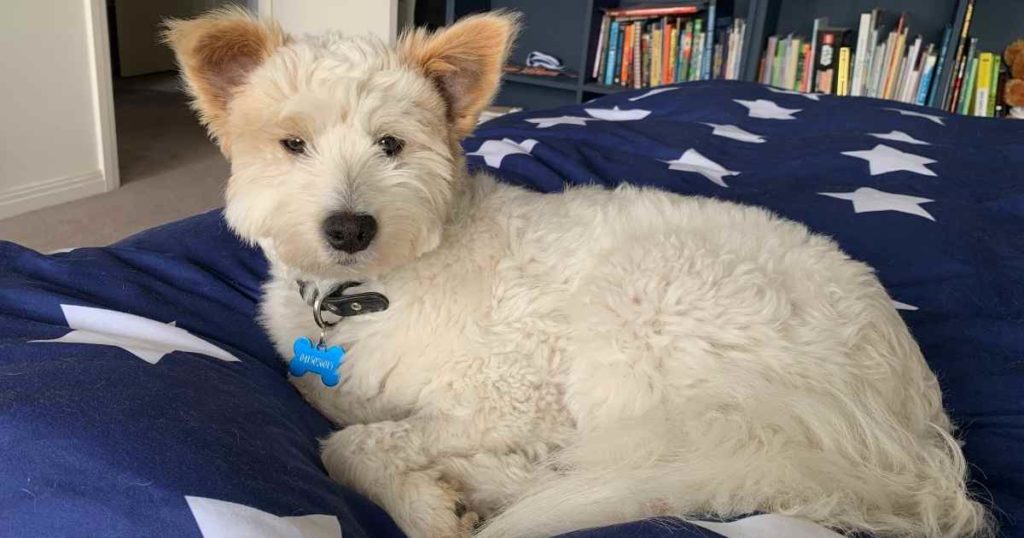
There’s no better feeling than adopting a dog but it’s important to remember it can take a few weeks, or even months, for them to fully adjust to their new surroundings and family members.
Adopting a dog is a lifelong commitment and you will need to dedicate time to help them settle in and train them. It can be quite daunting and challenging for the pet to be in a new and unfamiliar environment, so patience and understanding is also required. As is a name tag with your phone number on it on their collar as soon as you pick them up!
I also recommend to people who haven’t had a dog, or are unsure about the long-term commitment, that they may like to consider becoming a foster carer first to ensure that a dog is the right pet for your lifestyle and family. It also means if you find the right dog when fostering, you will have the first option of adopting the dog.
When adopting a dog, it is important to understand the 3-3-3 rule. This helps you to understand how your dog is likely to be feeling during the first three days, at three weeks and at around three months of adoption.
The first 3 days
During the first three days, many rescue dogs are still feeling scared and timid, so it is important to make them feel comfortable, give them their own safe space inside the home, never force interactions between people or other pets, and ask children to keep calm and allow the dog to approach them first. Ensure you put all of the tips further below into practise as soon as possible when adopting a dog.
The first 3 weeks
Once they are feeling a little more settled, it is often in the first three weeks that the dog starts to reveal their true personality. You may notice some behaviour issues start to emerge and they try to push the boundaries.
More than ever, you need to follow the advice further below and consistently reward good behaviour, ignore or divert (not punish) attention seeking behaviour and show them what is expected of them through positive reinforcement training – and ensure everyone in the family is sending the same messages. Now is a good time to seek out the services of a qualified trainer.
At 3 months
Your rescue dog has probably stayed pretty close to you for the first 8 or so weeks so by around three months a strong bond should have formed between you and your dog. By this time, they should have come to understand the routines and boundaries and recognise that they are now in their new forever home. If you are still experiencing some behavioural issues and haven’t yet sought help, don’t wait any longer, talk to your Vet, ideally a Vet Behaviourist or experienced trainer.
Establish a routine and boundaries
It’s important to establish a routine with your pooch so they have structure within the home. Ensure you think about who will be responsible in your household for taking your new dog out for a walk, the time they will be going to bed and who will be feeding them.
Establishing the routine and setting boundaries within the home will help your dog understand what is expected of them, which helps them to feel more comfortable and promote positive behaviour. Commit to reward-based training when setting your boundaries, with positive reinforcement through food, toys or praise.
Slowly introduce their time alone
While you have a new dog in the home it’s important that they become comfortable with being left alone. Try not to leave your dog alone for long for the first few weeks to avoid separation anxiety as they adapt and settle into their new environment. The best way to get them used to being alone is to start with very small increments.
Start with 3-5 separations a day while you are still at home, leaving them in another room or outside where they can still see you (a baby gate can help) and leave them with a soothing or interactive toy, or a long-lasting chew, to create a positive association with being alone.
Avoid leaving them alone in the first week and start with very short periods, slowly build up the time. Always leave them with something that helps create a positive association and keep your departures and arrivals calm. Tips for independence training can be found here.
When adopting a dog, begin training ASAP
It’s possible that your adopted dog has already received basic training which is often one of the benefits of re-homing a rescue pet. Test their skills with common verbal cues and hand signals to see if or what they respond to. Find out what motivates them most and use it as their reward, such as food, a toy or squeaky ball.
It’s important to have a regular training schedule to promote good behaviour, enrichment and will also work as a bonding exercise for you and your pet as they learn to trust your commands. Always be clear, consistent and concise with your commands to avoid confusing them.
This is why there are so many reasons why adopting older and senior animals can be advantageous. Older dogs often already know basic manners, potty training and obedience cues, whereas their younger counterparts may not have any of these skills. This means less time, energy and work on their humans’ part when compared to puppies and adolescent dogs.
Seek the support of a positive reinforcement dog trainer in the home to assist with a training plan or settling in. You can often also call on the rescue group if you are struggling to see if they have any suggestions or can assist.
Don’t rush social interactions
I often see dogs with anxiety being put in positions that they really can’t cope with. Owners think they are doing the right thing by socialising them as much as possible, which is great for puppies and confident adult dogs, but this can sometimes be the last thing that should be happening, especially with new or nervous rescue dogs.
Unfortunately, when dogs haven’t been socialised in their critical period of development or have had negative experiences with other dogs or people, it can actually make their anxiety worse and cause them to shut down or use fear-based aggression to try to remove the perceived threat. The more a dog is put into these situations, the worse it gets. Click here to better understand aggression in dogs and why this is often coming from a place of fear.
If adopting a dog, you need to consider the dog’s needs and put them first, potentially adapting your own expectations or lifestyle. Busy places like dog parks, cafes and other or public areas can be the last place an anxious dog should be going to – sometimes leaving them home can be the kindest thing.
Medication
It’s also really important that when adopting a dog, you respect why they have been put on medication and that you just don’t just stop giving it to the. That can be dangerous to their health, and can trigger unwanted behaviours. Medication will have been prescribed by Veterinarian for very good reason, so it is vital you stick to the treatment plan, or book a time to take your new pet to the Vet for a follow up check and discussion.
Learn about the role of medication for anxious dogs HERE.
It is also important to understand how natural calming supplements can affect certain medications, so click HERE to learn more about that.
Doggy proof your house
Many rescue dogs are prone to trying to escape in the early days in their new home so it is important that when adopting a dog, you check and dog proof your home before they arrive.
Remove dangerous items such as loose cables, breakables and hazardous plants that are toxic to pets. Always store household cleaners and medication out of reach. Make sure all boundary fencing is secure in outdoor areas and there are no holes or weak spots along your fence line for your pet to escape through. Check out more tips about this HERE.
Be patient
Patience is an important quality to have when adopting a dog. Try not to lose your temper, raise your voice or punish your pet for bad behaviour, as this can exacerbate the problem even more or cause fear and anxiety, which could lead to further issues. Most problem behaviours arise from anxiety, boredom, a lack of clear boundaries, obedience training or providing an alternative behaviour.
Understandably, they will need time to adjust to their new environment and family – and patience along with positive reinforcement is the best approach.
1. Daily obedience training with your dog – helps build trust and respect, offers mental and physical stimulation, gives your dog the leadership they need to help reduce stress and confusion in an uncertain world.
2. Create independence – provide them with a safe and comfortable ‘place’ in another room &/or outside and while at home create frequent separations, three to five times alone per day. Do not send in punishment, make it positive ie: give treat or long lasting chew, meal, interactive toy.
3. Meet their daily exercise needs – a tired dog is a good dog. Get into a normal walk routine now, morning and evening ideally. Allow them to stop and sniff around too as ‘scenting’ releases endorphins. Hire a dog walker if you don’t have the time to walk them yourself.
4. Keep their minds active – rotate 2-3 interactive toys, hide treats in a sandpit if they like to dig, or hide their kibble or treats around the back yard. These are all ways to encourage your pet to use their body and mind like they would in the wild hunting for their food. In warmer months freeze treats or meat with water in an ice container.
5. Provide a safe, calm space (and ideally access inside the home) – for many dogs with separation anxiety, simply providing them access to a room indoors can help. Ensure all dogs have a comfy kennel or space with plenty of shade from the sun/rain. Combined with tips 1-4 your dog should be happy to spend its afternoon sleeping.
If you are a first time dog owner, or would just like to know more about keeping your dog healthy and happy at all stages of life, get your paws on a copy of my book ‘Eat, Play, Love (your dog) in our shop.
About the Author: Lara Shannon is a certified dog behaviourist and trainer, pet food nutrition specialist, Executive Producer and Host of Pooches at Play on Channel 10 and editor of Poochesatplay.com. Lara also runs her own dog training business in Melbourne’s Bayside area and is the Author of World of Dogs and Eat, Play, Love (Your Dog).
Calm an Anxious Dog at the Vet or Groomer


Environmental enrichment for dogs
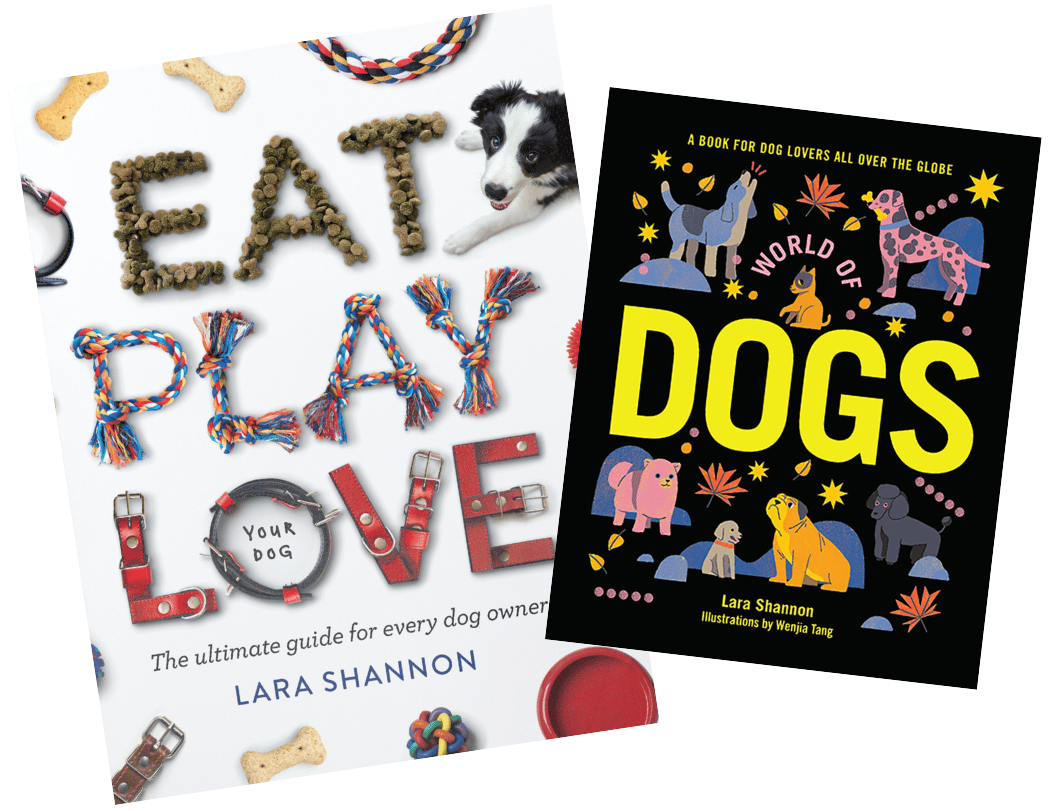
Get your paws on Lara Shannon’s best selling books ‘Eat, Play, Love (your dog) and World of Dogs.
Available in Australia, USA, UK and Canada.