Want to change dog food without causing tummy upsets?
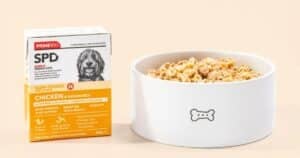
Changing your dog’s food might seem straightforward, but switching diets too quickly can lead to an upset stomach, vomiting or diarrhoea. Whether you’re changing brands, moving from kibble to a fresh, gently cooked or air-dried diet, introducing wet food for the first time, or simply changing life stages, taking things slowly when you change dog food gives your dog’s digestive system the best chance to adapt.
Just as importantly, a gradual transition gives you the opportunity to monitor how your dog responds to their new food, helping you identify any digestive issues or food intolerances before they become a bigger problem.
Why should you change dog food gradually?
Unlike us, dogs don’t benefit from constantly changing what they eat. While many dogs cope well with dietary changes, others have far more sensitive digestive systems and can develop stomach upsets if their food changes too suddenly.
A gradual transition allows the bacteria within your dog’s gut to adapt to the new ingredients and nutrient profile over time, reducing the likelihood of digestive upset.
This is especially important when changing between different styles of food, such as:
- dry kibble to fresh, gently cooked meals
- kibble to air-dried food
- fresh food to kibble
- one protein source to another
- puppy food to adult food
- adult food to senior diets.
How to change dog food safely
The easiest way to transition your dog’s food is by gradually increasing the amount of the new food while reducing the old food over 10 to 14 days.
A simple guide is:
Days 1–3
- 20% new food
- 80% current food
Days 4–6
- 40% new food
- 60% current food
Days 7–9
- 60% new food
- 40% current food
Days 10–12
- 80% new food
- 20% current food
Day 13 onwards
Every dog is different, so if you change your dog’s food and they have a sensitive stomach, there’s no harm in slowing the transition down.
Keep an eye on what’s coming out the other end!
It might not be the most glamorous part of dog ownership, but your dog’s poo provides valuable clues about how well they’re adjusting to their new diet.
While changing foods, monitor for:
- diarrhoea
- vomiting
- constipation
- straining to toilet
- excessive gas
- mucus or blood in the stool
- reduced appetite or lethargy.
If your dog develops persistent vomiting or diarrhoea, or seems generally unwell, stop the transition and contact your veterinarian. Healthy stools are usually firm, easy to pick up and chocolate brown in colour.
What if my dog won’t eat the new food?
When they change dog food, many owners assume their dog simply doesn’t like the new food. Sometimes that’s true, but quite often there’s another explanation. As a behaviourist, I regularly see owners accidentally reinforce fussy eating without realising it.
When dogs refuse a meal, it’s understandable to worry they’re going hungry. So owners often start adding cheese, cooked chicken, treats or other tasty extras to encourage them to eat.The problem is that clever dogs quickly learn that refusing their normal meal often leads to something even better appearing! Without meaning to, we’ve rewarded the behaviour we were trying to stop.
Instead, if your dog is otherwise healthy, offer the meal for around 15 to 20 minutes. If they don’t eat it, remove it and offer it again at the next scheduled mealtime, without providing any extra treats or alternative meals in between.
Most healthy dogs won’t voluntarily starve themselves, and consistency is often the key to overcoming mild fussy eating. Of course, if your dog suddenly stops eating, loses weight, seems unwell or their appetite changes dramatically, always arrange a veterinary check-up, as loss of appetite can sometimes indicate an underlying medical problem.
Don’t forget to feed the right amount when you change dog food
Whenever you change dog foods, check the feeding guide for the new diet. Different foods contain different calorie levels, so feeding the same volume as the previous food may result in overfeeding or underfeeding.
Maintaining a healthy body weight is one of the most important things you can do to support your dog’s long-term health.
Frequently Asked Questions
How long should it take to change a dog’s food?
For most dogs, allow around 10 to 14 days to change dog food. Dogs with sensitive stomachs may benefit from an even slower transition.
Can I change my dog’s food overnight?
It’s best to avoid sudden dietary changes unless directed by your veterinarian. Abrupt changes can increase the risk of vomiting, diarrhoea and digestive upset.
What if my dog gets diarrhoea after I change dog food?
Mild digestive upset can occasionally occur during a transition. If the diarrhoea is severe, persistent, contains blood, or your dog seems unwell, stop the transition and seek veterinary advice.
Why has my dog become a fussy eater?
Sometimes dogs genuinely dislike a food, but in many cases owners unintentionally reinforce fussy eating by constantly offering tastier alternatives. Consistency, appropriate meal portions and avoiding excessive treats can often help. Learn more about that HERE:
About the Author:
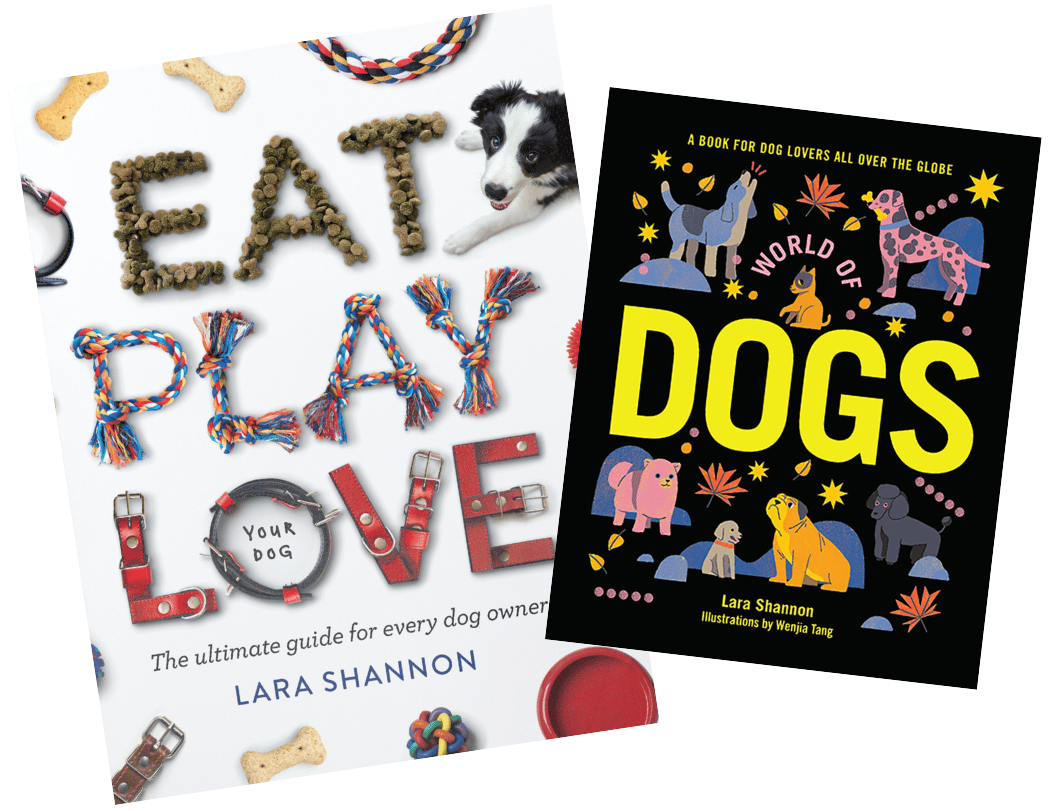
Lara Shannon is a certified dog behaviourist and trainer, pet food nutrition specialist, Executive Producer and Host of Pooches at Play on Channel 10 and editor of Poochesatplay.com. Lara also runs her own dog training business in Melbourne’s Bayside area and is the Author of World of Dogs and Eat, Play, Love Your Dog