

If you’ve ever looked at a bag of pet food and seen the words “complete and balanced”, you may have wondered what they actually mean.
Whether you’re feeding your dog or cat a raw, home-cooked, gently cooked, air-dried, canned or dry diet, the most important question isn’t simply what type of food you’re feeding – it’s whether that diet provides all the essential nutrients your pet needs to thrive.
Many well-meaning pet owners assume that preparing meals at home automatically makes them healthier. While homemade meals can certainly be nutritious, unless they’re carefully formulated they can lack essential nutrients, potentially leading to deficiencies that may affect growth, bone development, organ function and overall health.
Understanding complete and balanced pet food is one of the most important steps you can take to support your pet’s long-term wellbeing.
A complete and balanced pet food provides all the essential nutrients your dog or cat requires in the correct proportions for their life stage, whether they’re a growing puppy or kitten, an active adult or a senior pet. This includes the right balance of proteins, fats, carbohydrates (particularly for dogs), vitamins and minerals needed to support every system in the body.
Internationally, nutritional standards are developed by organisations such as AAFCO in the United States and FEDIAF in Europe. While Australia currently relies on voluntary guidelines rather than mandatory regulations, choosing a diet that meets recognised nutritional standards can help give pet owners confidence that their pet’s nutritional needs are being met.
Just like people, dogs and cats require a wide range of nutrients working together to support healthy growth, strong muscles and bones, brain development, immune function, healthy skin and coat, digestion and healthy ageing.
Protein provides the amino acids needed to build and repair tissues, while healthy fats supply energy and support brain, skin and coat health. Vitamins and minerals play vital roles in everything from bone strength and metabolism to immune function and cellular repair.
Fresh whole-food ingredients also provide naturally occurring antioxidants, phytonutrients and fibre that contribute to overall health and help support healthy ageing.
Many pet owners enjoy preparing their pets’ meals because it gives them complete control over the ingredients they use. Whether you’re interested in a raw or home-cooked diet, it’s certainly possible to provide excellent nutrition, but creating a complete and balanced pet food at home is much more complex than simply feeding meat, rice and vegetables.
One of the most common mistakes is assuming that homemade meals automatically contain everything a pet needs. Unfortunately, unless recipes have been carefully formulated, they can be deficient in essential vitamins, minerals and other nutrients, which may contribute to serious health problems over time.
If you’re planning to prepare your pet’s meals yourself, it’s important to work with a veterinary nutritionist or appropriately qualified professional to ensure every meal provides complete and balanced nutrition.
Whether you’re preparing a raw or home-cooked diet, balance is everything. A well-formulated homemade diet for dogs will generally include:
Variety is also important. Rotating different protein sources and including oily fish such as sardines or mackerel can help provide beneficial omega-3 fatty acids that support healthy joints, skin, coat and brain function. Likewise, a range of vegetables and other whole-food ingredients can contribute valuable vitamins, minerals and plant compounds.
Preparing meals at home isn’t simply about choosing fresh ingredients, it’s about achieving the correct nutritional balance.
One of the most important nutrients to consider is calcium. Muscle meat is naturally high in phosphorus but low in calcium, so feeding meat alone can create an imbalance that may affect bone development, particularly in growing puppies and kittens. Likewise, deficiencies in essential fatty acids, trace minerals and certain vitamins can develop over time if recipes aren’t properly formulated.
While many recipes found online may look appealing, they are not always nutritionally complete. That’s why professional guidance is strongly recommended if you’re feeding a homemade diet as your pet’s primary source of nutrition.
While dogs and cats both require complete and balanced pet food, cats have very different nutritional needs.
Unlike dogs, cats are obligate carnivores, meaning they rely on nutrients found naturally in animal tissues and cannot simply eat the same recipes as dogs. Feeding an unbalanced homemade diet can have serious health consequences, making it especially important that cat diets are carefully formulated to provide all the nutrients they require.
Preparing your pet’s meals from scratch isn’t practical for everyone, and that’s perfectly okay.
Today there are many commercially prepared raw, gently cooked, air-dried, canned and dry foods available that are formulated to provide complete and balanced nutrition. Every pet is different, so the best diet will depend on factors such as age, breed, activity level, health conditions and your own lifestyle.
Whether you choose to feed fresh food at home, purchase a commercially prepared diet or combine feeding methods, the goal remains the same: providing your dog or cat with a complete and balanced pet food that supports lifelong health.
A nutritious diet is one of the greatest investments you can make in your pet’s future. By understanding what “complete and balanced” really means, you’ll be in a much better position to make informed decisions and help your four-legged family member enjoy a long, healthy and happy life.
About the Author: Lara Shannon is a certified dog behaviourist and trainer, pet food nutrition specialist, Executive Producer and Host of Pooches at Play on Channel 10 and editor of Poochesatplay.com. Lara also runs her own dog training business in Melbourne’s Bayside area and is the Author of World of Dogs and Eat, Play, Love Your Dog

Benefits of Slow Cooked Dog Food


Psychodermatology in Dogs: The Itch-Stress Connection

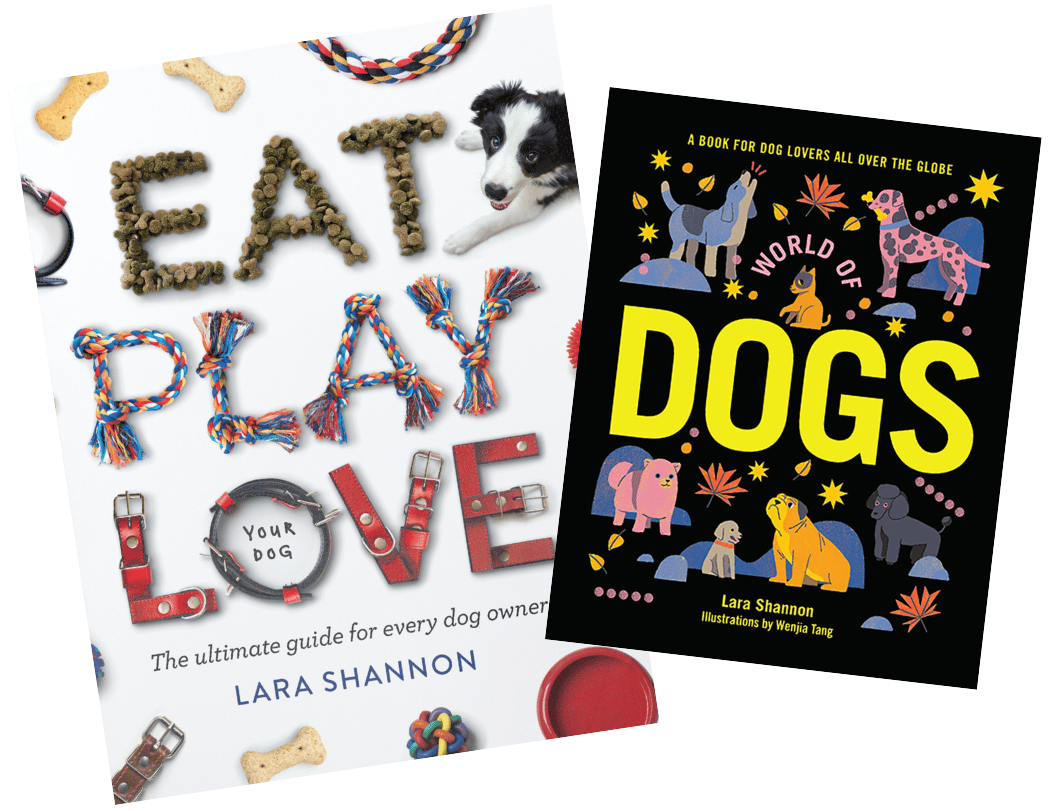
Get your paws on Lara Shannon’s best selling books ‘Eat, Play, Love (your dog) and World of Dogs.
Available in Australia, USA, UK and Canada.