

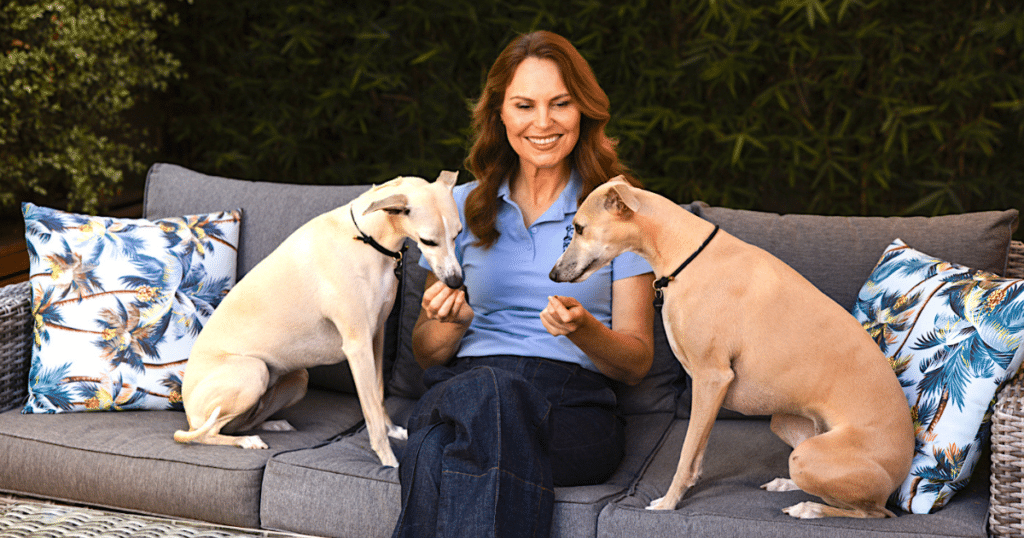
If you’re looking for a dog that combines surprising speed with a calm and affectionate nature, the Whippet could be your perfect match.
Closely related to the larger Greyhound and smaller Italian Greyhound, Whippets share the sleek build, athletic ability and generally gentle nature for which sighthounds are known.
Although they can reach impressive speeds, Whippets are often relaxed and content at home. This combination can make them wonderful companions for families, couples and people living in apartments -provided their exercise, training and safety needs are met.
The Whippet was developed in England during the mid-19th century by crossing Greyhounds with smaller sighthound-type dogs.
Originally bred to hunt rabbits and other small game, Whippets also became popular for racing and lure coursing. Their speed earned them a reputation as the “poor man’s racehorse”, as working-class families could participate in informal racing without the cost of owning and maintaining a larger Greyhound.
While today’s Whippets are more likely to be found curled up on the couch than chasing rabbits, they have retained their speed, agility and strong prey drive and instinct to pursue moving objects.
Whippets are typically gentle, affectionate and closely bonded to their families. Many enjoy being physically close to their people and will happily spend much of the day snoozing somewhere warm and comfortable.
They are generally:
Whippets usually respond best to gentle, reward-based training. Positive reinforcement helps build confidence and makes learning enjoyable, particularly for a breed that can be sensitive to pressure.
Whippets can make lovely family companions when their needs and physical limitations are understood.
Their fine build and relatively delicate legs mean interactions with young or highly energetic children should always be supervised. Children should be taught not to climb on, grab or play roughly with the dog. Learn more about safe interactions between children and dogs HERE.
As with any breed, matching the individual dog’s temperament and energy level with the household is important. Early socialisation and positive exposure to different people, animals and environments can help a Whippet develop into a confident adult.
Many Whippets live happily with other dogs and, when carefully introduced, some can also live with cats. However, their strong prey drive means they may instinctively chase smaller animals, particularly outdoors.
Individual temperament varies, so introductions and ongoing management are essential. Whippets may not be suitable for homes with rabbits, guinea pigs or other small pets unless the animals can be kept completely separate and secure.
Despite their athletic appearance, Whippets do not necessarily need hours of exercise each day. A combination of daily walks, opportunities to sniff, mental enrichment and occasional safe running can help keep them physically and mentally satisfied.
Because Whippets are sighthounds, movement in the distance can quickly trigger their chase instinct. Once focused on pursuing something, they may temporarily ignore even a well-practised recall.
For this reason:
Recall training is still valuable, but owners should not assume that training alone will override a Whippet’s prey drive in every situation.
Whippets are intelligent and capable learners, but their sensitive nature means they generally do best with calm, consistent and positive training methods.
Food rewards, toys, praise and access to enjoyable activities can all be used to reinforce good behaviour. Keep sessions short and engaging, and avoid physical punishment or harsh corrections, which can damage trust and make a sensitive dog more anxious.
Useful skills to teach include:
It is also important to provide safe outlets for their natural desire to run and chase. Activities such as lure coursing may be particularly enjoyable for some Whippets.
With appropriate care, Whippets typically live for around 12 to 15 years and are generally considered a relatively healthy breed. However, there are several potential health concerns owners should be aware of.
Muscle and soft-tissue injuries
Whippets are fast, agile dogs and can be prone to muscle and soft-tissue injuries, particularly when running, turning sharply or exercising on uneven or slippery surfaces.
Warming up with a short walk before intense exercise and monitoring the condition of running areas may help reduce the likelihood of injury.
Cuts, scrapes and fractures
Whippets have thin skin, fine coats and very little body fat. This makes them more vulnerable to cuts and scrapes, while their slender limbs can be at risk of injury during rough play or accidents.
Check your Whippet regularly for wounds, particularly after running through scrub or playing with other dogs.
Heart conditions
Whippets can develop heart conditions, including mitral valve disease. Regular veterinary examinations allow your vet to listen for a heart murmur and investigate any concerns early.
Signs that warrant veterinary attention may include coughing, reduced exercise tolerance, unusual tiredness, fainting or changes in breathing.
Eye conditions
Some Whippets may be affected by inherited or acquired eye conditions. Responsible breeders should complete the recommended health testing for their breeding dogs and be willing to discuss the results with prospective owners.
Seek veterinary advice if you notice redness, cloudiness, discharge, squinting or any apparent change in your dog’s vision.
Anaesthesia and medication considerations
Like some other sighthounds, Whippets can respond differently to certain anaesthetic drugs and medications due to their lean body composition and low body fat.
Always ensure your veterinarian knows that your dog is a Whippet before surgery or sedation. Your vet can select and monitor medications appropriately for the individual dog.
Regular health checks and early veterinary attention when something does not seem right can help keep your Whippet healthy and active throughout their life.
Whippets are wonderfully low maintenance when it comes to grooming. Their short, smooth coat generally requires only occasional brushing to remove loose hair and help maintain healthy skin.
A gentle grooming tool, such as the DGG Padded Slicker Brush, can be used carefully on the coat. Conditioning spray and bamboo wipes can also help freshen your dog between baths.
Whippets only need to be washed when necessary, using a gentle dog shampoo. Their nails should be checked regularly, as long nails can affect comfort, grip and movement.
Grooming sessions are also a useful opportunity to check for:
You can visit doggonegorgeous.com.au to explore the DGG grooming range and access their free grooming guide.
Do Whippets need coats?
Because Whippets have very little body fat and a thin coat, they can feel the cold easily. They may need extra warmth during winter, on cool evenings and sometimes even in milder weather if they are inactive or exposed to wind and rain.
A well-fitted dog coat should cover the body comfortably without restricting movement or causing rubbing. The Wriggley Diggley apparel range is designed with the long, slender shape of breeds such as Whippets in mind, helping keep them comfortable and warm throughout the year.
Whippets also love a warm, soft bed positioned away from cold floors and draughts.
Is a Whippet the right dog for you?
A Whippet may be a good match if you are looking for a dog that is affectionate, relatively quiet, low maintenance to groom and happy to relax at home after appropriate exercise.
Before welcoming one into your family, consider whether you can provide:
For the right household, the Whippet offers a delightful balance of athleticism, elegance and affectionate companionship.
Are Whippets good apartment dogs?
Whippets can adapt well to apartment living because they are often quiet and relaxed indoors. They still require daily exercise, enrichment and access to safe outdoor areas.
How much exercise does a Whippet need?
Exercise requirements vary by age and health, but most adult Whippets benefit from daily walks, opportunities to sniff and play, and access to a securely fenced space where they can occasionally run.
Can they be trusted off leash?
Their strong chase instinct can make off-leash exercise risky in unsecured areas. Even a well-trained Whippet may pursue wildlife or another moving animal, so securely fenced locations are the safest option.
Are they easy to train?
Whippets are intelligent and can learn quickly, particularly when reward-based methods are used. Recall may require additional patience because of their strong prey drive.
Do Whippets shed?
Yes, Whippets shed, although their short coat makes the shedding less noticeable than it is with many longer-haired breeds. Occasional brushing can help remove loose hair.
Do Whippets feel the cold?
Whippets are particularly sensitive to cold weather because of their fine coat and low body fat. Many benefit from warm bedding and a properly fitted coat during cooler conditions.
About the Author: Lara Shannon is a certified dog behaviourist and trainer, pet food nutrition specialist, Executive Producer and Host of Pooches at Play on Channel 10 and editor of Poochesatplay.com. Lara also runs her own dog training business in Melbourne’s Bayside area and is the Author of World of Dogs and Eat, Play, Love Your Dog
Benefits of Slow Cooked Dog Food

Environmental enrichment for dogs
Psychodermatology in Dogs: The Itch-Stress Connection


Get your paws on Lara Shannon’s best selling books ‘Eat, Play, Love (your dog) and World of Dogs.
Available in Australia, USA, UK and Canada.