

Dogs can bring enormous joy, companionship and valuable life lessons to children – but safe relationships don’t happen by accident.
Some of the most important children and dogs safety tips include learning to recognise when a dog is uncomfortable, actively supervising every interaction, giving dogs child-free places to rest and teaching children how to show affection in ways dogs can enjoy.
It is also important to protect children from parasites and zoonotic diseases that can sometimes pass between pets and people. A combination of good hygiene, prompt disposal of dog poo and up-to-date parasite protection can help keep the whole family safer.
To learn more about creating safe, positive relationships between children and dogs, I caught up with Mel Ritterman from Cooper and Kids.
One of the most common mistakes adults make is assuming a dog will clearly show when they have had enough.
In reality, dogs often begin with subtle body language to communicate that they are worried, uncomfortable or need more space. If these early signals are missed and the unwanted interaction continues, the dog may feel they have no choice but to escalate to a growl, snap or bite.
This is why claims that a dog “bit without warning” may not tell the whole story. The dog may have been communicating their discomfort for some time, but their signals were not recognised.
Children need adult guidance because they may not yet have the awareness or impulse control to identify and respond appropriately to these subtle warning signs.
Learning to read dog body language is one of the most valuable things parents can do to help prevent dog bites.
Signs that a dog may be feeling uncomfortable around a child include:
A wagging tail does not necessarily mean a dog is happy. Look at the dog’s entire body, the situation and whether they appear loose and relaxed or stiff and tense.
If you notice signs of stress or discomfort, calmly create more distance between the dog and child. Don’t wait to see whether the dog will “get over it”.
Parents often say their dog is wonderful because they “let the kids do anything to them” or have tolerated hugging, climbing and rough handling for years.
However, just because a dog has tolerated something in the past does not mean they enjoy it, or that they will continue tolerating it forever.
Dogs can have bad days, just like us. Pain, illness, tiredness, fear, ageing or an unusually noisy environment may all reduce a dog’s tolerance.
Rather than expecting dogs to put up with uncomfortable interactions, we need to advocate for them and step in before they feel forced to defend themselves.
Never test a dog’s tolerance. The goal should be for dogs to feel safe and comfortable around children, not simply endure them.
This is also why introducing a new baby into your household should be managed carefully as well. Learn more about that HERE.
Humans commonly show affection by hugging and kissing, but dogs don’t naturally express affection in the same way.
Being tightly hugged can leave a dog feeling trapped, particularly if they cannot move away. Face-to-face contact also puts a child’s face close to the dog’s teeth if the dog suddenly panics or reacts.
Teach children safer ways to show affection, such as:
The dog should always be free to move away. If they turn their head, move away or show any other sign of discomfort, the interaction should stop.
Children cannot be expected to manage dog safety on their own. Parents and carers need to establish consistent household rules, supervise interactions and model respectful behaviour.
Leave dogs alone when they are sleeping
Children should never approach, touch or climb on a sleeping or resting dog. Dogs can startle when woken suddenly and may react before realising what is happening.
Keep children away while dogs are eating
Dogs should be left alone while eating meals, chewing bones or enjoying high-value treats. Children should never remove food or attempt to test whether a dog will “share”.
Resource guarding in dogs is a common problem so learn more about that HERE.
Make crates and beds child-free zones
A dog’s crate, bed or designated resting area should always be off-limits to children. These spaces need to remain predictable places where the dog can rest without being disturbed.
Don’t allow children to pick dogs up
Many dogs feel unsafe or uncomfortable when lifted, particularly by a child who may not support them correctly. Even small dogs should not be treated like toys.
Prevent rough or intrusive handling
Children should never be allowed to pull a dog’s ears or tail, climb on them, sit on them, chase them, corner them or take their toys.
Adults should demonstrate gentle, appropriate interactions and reinforce the same rules consistently.
Active supervision is essential
Supervision means more than simply being somewhere in the same room.
An actively supervising adult needs to be close enough to intervene immediately, paying attention to both the child and the dog rather than being distracted by a phone, television, cooking or another task.
If active supervision isn’t possible, separate the child and dog using a secure physical barrier.
It only takes seconds for an interaction to escalate, so never rely on a young child to follow the rules or on a dog to tolerate inappropriate behaviour.
Management tools can make life safer and less stressful for everyone.
Useful options include:
These barriers allow children to play without constantly approaching the dog and give dogs a chance to sleep deeply, rather than resting with “one eye open”.
Separation isn’t a punishment. It is a practical way to prevent problems, reduce stress and give parents a break from constant supervision.
For tips on how to crate train your dog with positive reinforcement, click HERE.
Preventing unsafe interactions is only one part of the picture. We also want to help dogs develop positive associations with children.
Children can be noisy, unpredictable and quick-moving, which some dogs may find overwhelming. Calm, carefully managed activities can help a dog learn that having children nearby predicts good things.
Positive activities may include:
Always let the dog choose whether to participate. Don’t force them closer to a child or use food to lure them into an interaction they are trying to avoid.
If tension begins to build, use calm, positive redirection. Move the dog or child towards another enjoyable activity before the situation escalates.
A growl is an important warning that the dog is uncomfortable and needs more space.
Don’t punish the dog for growling. Punishment may suppress this valuable warning without changing the fear, pain or discomfort behind it, potentially increasing the risk of the dog reacting more suddenly next time.
Instead:
If a dog has snapped at or bitten a child, keep them safely separated and seek professional advice promptly.
Safe interactions between children and dogs aren’t only about preventing bites. Some parasites and infectious diseases affecting animals can also cause illness in people.
Diseases or infections that can pass naturally between animals and humans are known as zoonotic diseases or zoonoses.
Young children can be more vulnerable because they frequently play in soil, sandpits and backyards, and may put unwashed fingers or objects into their mouths. Babies and young children may be among the groups at greater risk of becoming ill from germs and parasites carried by pets.
Which dog parasites can affect people?
Some intestinal worms affecting dogs have the potential to cause health problems in humans.
Roundworm
Dogs infected with roundworms can pass microscopic eggs in their faeces. Over time, these eggs may contaminate soil or sand.
People can become infected if microscopic eggs are accidentally swallowed—for example, after touching contaminated soil and then putting unwashed hands near the mouth.
Although serious disease is uncommon, migrating roundworm larvae can sometimes affect body tissues, including the liver, lungs or eyes.
Hookworm
Certain animal hookworm larvae can be present in contaminated soil or sand. They may penetrate exposed human skin and cause an itchy condition known as cutaneous larva migrans. More severe disease can also occur.
Wearing shoes outdoors, practising good hand hygiene and preventing contamination from animal faeces can help reduce exposure.
A few everyday habits can help protect both pets and people.
Dispose of dog poo as soon as possible in your backyard, at parks and in other shared spaces. Prompt removal helps reduce environmental contamination and prevents children from accidentally coming into contact with faeces.
Children should wash their hands thoroughly with soap and water:
Adults should also wash their hands after picking up animal waste, feeding pets or cleaning bowls, bedding and outdoor areas.
Cover sandpits when they are not being used to prevent dogs, cats and other animals from using them as toilets.
Watch young children when they are playing in backyards, parks, gardens and sandpits. Discourage them from eating dirt or putting unwashed hands and toys into their mouths.
Regular parasite protection year-round helps safeguard your dog and can also reduce environmental contamination with parasites that may affect people.
The correct parasite protection will depend on your dog’s age, weight, health, location, lifestyle and exposure risks. Follow the product label carefully and speak to your veterinarian if you are unsure what protection your dog needs.
NexGard SPECTRA is a tasty, monthly chew for dogs that provides protection against common internal and external parasites, including fleas, ticks, mites, lice, heartworm, roundworm, whipworm and hookworm.
Protecting the whole family
Dogs and children can form beautiful, lifelong friendships, but adults are responsible for setting those relationships up safely.
Learn to recognise your dog’s early signs of discomfort, establish clear family rules, provide separate safe spaces and actively supervise every interaction. At the same time, simple hygiene measures and giving consistent parasite protection can help protect your pet and the people who love them.
For more resources about safe interactions between children and dogs, visit Cooper and Kids.
To learn more about protecting your dog and family from parasites, visit the NexGard SPECTRA website or speak to your veterinarian about the most appropriate parasite control for your pet.
How can I keep my child safe around our dog?
Actively supervise every interaction, teach your child not to disturb the dog while they are eating or sleeping, and give the dog a secure child-free resting area. Learn the early signs of canine stress and calmly separate them at the first sign of discomfort.
What are the warning signs that a dog is uncomfortable with a child?
Warning signs can include lip licking, yawning, turning away, whale eye, pinned-back ears, a tucked tail, stiffening, backing away, hiding or growling. Don’t wait for a snap or bite before intervening.
Is it safe for children to hug dogs?
Hugging is not recommended, particularly around the dog’s neck or face. Many dogs find hugs restrictive or threatening, even if they tolerate them. Teach children to wave, blow a kiss or calmly interact with the dog under adult supervision instead.
Should I punish my dog for growling at my child?
No. A growl communicates that the dog is uncomfortable and needs space. Calmly separate them and seek professional advice. Punishing a growl may remove the warning without addressing the underlying problem.
Can I leave my child alone with our family dog?
No young child should be left unsupervised with a dog, regardless of the dog’s breed, size or previous behaviour. Familiar dogs can still react when frightened, hurt, startled or placed under pressure.
How can children develop a positive relationship with a dog?
Use calm, supervised activities such as reward-based training, scent games, treat tossing and quiet time together. The dog should always have a choice and be free to move away.
Can children catch worms from dogs?
Some dog parasites can affect humans. People may be exposed by accidentally swallowing microscopic roundworm eggs from contaminated soil or when certain hookworm larvae penetrate exposed skin. Good hand hygiene, prompt removal of dog poo and appropriate parasite protection help reduce the risk.
Why are children more vulnerable to parasites from pets?
Young children frequently play close to the ground and may forget to wash their hands before touching their mouths or eating. They are also more likely to play in soil and sand that could have been contaminated by animal faeces.
About the Author: Lara Shannon is a certified dog behaviourist and trainer, pet food nutrition specialist, Executive Producer and Host of Pooches at Play on Channel 10 and editor of Poochesatplay.com. Lara also runs her own dog training business in Melbourne’s Bayside area and is the Author of World of Dogs and Eat, Play, Love Your Dog
Calm an Anxious Dog at the Vet or Groomer

Benefits of Slow Cooked Dog Food

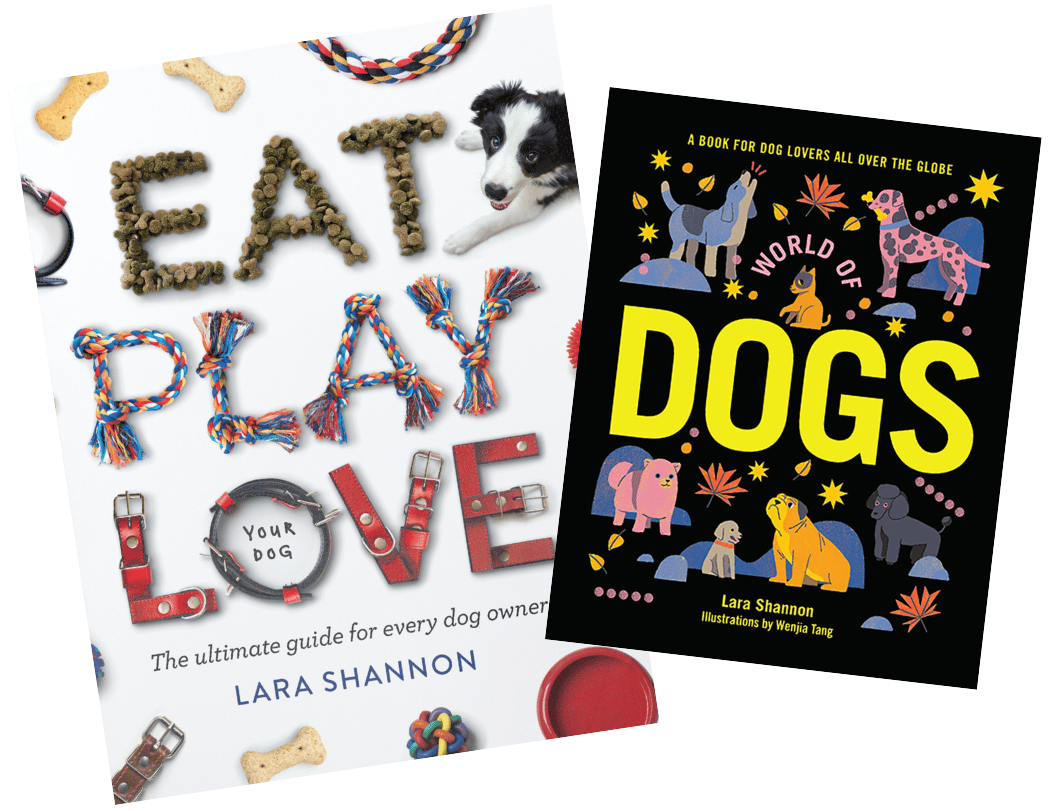
Get your paws on Lara Shannon’s best selling books ‘Eat, Play, Love (your dog) and World of Dogs.
Available in Australia, USA, UK and Canada.