

Superfoods for dogs have become increasingly popular in recent years, with everything from blueberries and turmeric to spirulina and green-lipped mussels being promoted as the next miracle ingredient. But do dogs really need superfoods, or is it simply clever marketing?
As a pet nutrition specialist, it’s one of the questions I’m asked most often.
The truth is, there isn’t a scientific definition of a superfood. It’s a marketing term used to describe foods that are naturally rich in beneficial nutrients such as antioxidants, vitamins, minerals, healthy fats and fibre.
While superfoods for dogs can certainly play a valuable role in your dog’s nutrition, no single ingredient can compensate for an unbalanced diet. Instead, I encourage pet parents to think about nutrition as building blocks. The foundation should always be a complete and balanced diet that provides all the nutrients your dog needs for their life stage and individual health requirements. From there, carefully selected whole foods and targeted supplements can provide additional variety and nutritional benefits.
Whether you feed fresh food, gently cooked meals, air-dried food, complete and balanced raw food or kibble, adding safe, nutrient-rich whole foods can be an excellent way to complement your dog’s diet.
So which superfoods for dogs are actually worth considering?
Rather than focusing on a single “miracle” ingredient, I like to group superfoods for dogs according to the health benefits they may provide.
A healthy gut plays an important role in everything from digestion to immune function, so supporting your dog’s digestive microbiome is one of the best places to start.
Pumpkin
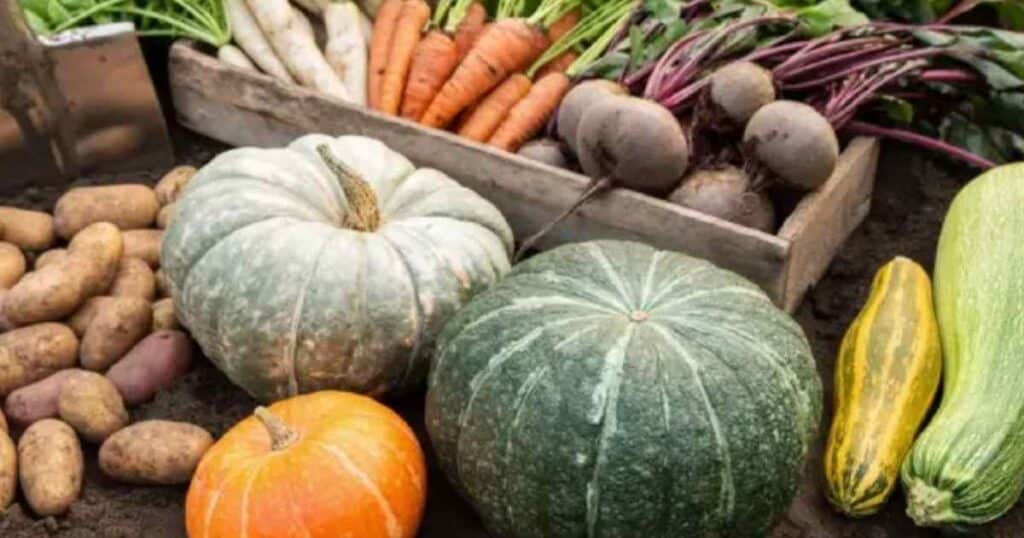
Pumpkin is one of my favourite additions to many dogs’ diets. It’s rich in soluble fibre, beta-carotene and vitamins A and C, making it a versatile ingredient that supports digestive health.
The fibre content can help regulate bowel motions, making pumpkin useful for dogs experiencing mild diarrhoea or constipation. Always choose plain cooked pumpkin.
Probiotics
Probiotics are beneficial live bacteria that help maintain a healthy balance within your dog’s digestive system. Not only do they support digestion, but around 70% of the immune system is associated with the gut, making a healthy microbiome important for overall wellbeing.
Certain probiotic strains may also assist dogs experiencing digestive upset, stress and anxiety or following antibiotic treatment.
Prebiotics
If probiotics are the good bacteria, prebiotics are their food. Natural prebiotic fibres found in foods such as pumpkin, chicory root, bananas and asparagus help beneficial bacteria flourish, supporting digestive and immune health.
Bone Broth
A good-quality bone broth made without onions, garlic or excessive salt can encourage hydration while providing collagen and natural flavour that many dogs love.
As dogs age, maintaining healthy joints becomes increasingly important.
Green-Lipped Mussels
Native to New Zealand, green-lipped mussels naturally contain omega-3 fatty acids and other compounds that have been widely researched for supporting joint health and mobility. They are commonly included in veterinary joint supplements for senior dogs and active breeds.
Sardines
Sardines are one of nature’s richest sources of omega-3 fatty acids. These healthy fats support joint health while also benefiting the brain, heart, skin and coat. Choose sardines packed in spring water with no added salt.
Turmeric
Turmeric contains curcumin, a naturally occurring compound known for its antioxidant and anti-inflammatory properties. While research into curcumin continues, it may help support dogs experiencing inflammatory conditions such as arthritis. However, because turmeric supplements can interact with some medications, it’s always best to speak with your veterinarian before introducing them.
Spirulina
Spirulina is an incredibly nutrient-dense blue-green algae rich in protein, antioxidants, chlorophyll and essential vitamins. Its antioxidant properties help combat oxidative stress, while its nutrient profile makes it particularly valuable for senior dogs or those requiring extra nutritional support.
Flaxseed and Chia Seeds
Both flaxseed and chia seeds provide fibre together with plant-based omega-3 fatty acids. Ground flaxseed is generally easier for dogs to digest than whole seeds.
Blueberries
If I had to recommend just one fruit for most dogs, blueberries would be high on the list. They’re packed with antioxidants that help protect the body’s cells from oxidative damage while also providing vitamin C and fibre. Frozen blueberries also make a fantastic low-calorie enrichment treat during summer.
Kelp
Kelp is a brown seaweed naturally rich in minerals, vitamins and iodine, which plays an important role in thyroid function. Because iodine levels can vary, kelp should always be fed in moderation and as part of a balanced diet.
Wheatgrass
Wheatgrass contains vitamins, amino acids, chlorophyll and antioxidants that may support normal cellular health and digestion.
One of the biggest misconceptions I see is owners believing they need to add as many supplements and superfoods as possible to their dog’s meals. In reality, more isn’t always better.
If your dog is already eating a complete and balanced diet, adding multiple powders, oils and supplements without professional guidance can sometimes create nutritional imbalances or unnecessary expense. Some supplements may also interact with medications or be unsuitable for dogs with certain health conditions.
Rather than chasing the latest superfood for dogs trend, I encourage pet parents to focus on the bigger picture. Is your dog maintaining a healthy weight? Are they eating a nutritionally balanced diet? Are they getting regular exercise, mental enrichment and routine veterinary care?
Those factors will have a far greater impact on long-term health than any single ingredient.
It’s important to remember that not every food considered healthy for people is safe for dogs. Never feed your dog:
If you’re ever unsure whether a food is safe, check with your veterinarian before offering it to your dog and also check out our article on what not to feed your dog or cat.
When it comes to superfoods for dogs, there’s no magic ingredient that can replace good nutrition.
Instead, think of superfoods as valuable additions to an already complete and balanced diet. Whether you feed fresh, gently cooked, air-dried, raw or kibble, adding appropriate whole foods can increase dietary variety and provide valuable nutrients that support your dog’s overall wellbeing.
As always, every dog is an individual. Age, breed, lifestyle and existing health conditions all influence their nutritional needs, so if you’re considering making significant changes to your dog’s diet, seek advice from your veterinarian or a suitably qualified pet nutrition professional.
Lara Shannon is a certified dog behaviourist and trainer, pet food nutrition specialist, Executive Producer and Host of Pooches at Play on Channel 10 and editor of Poochesatplay.com. Lara also runs her own dog training business in Melbourne’s Bayside area and is the Author of World of Dogs and Eat, Play, Love Your Dog

Benefits of Slow Cooked Dog Food


Psychodermatology in Dogs: The Itch-Stress Connection


Get your paws on Lara Shannon’s best selling books ‘Eat, Play, Love (your dog) and World of Dogs.
Available in Australia, USA, UK and Canada.