
Grooming a senior dog requires extra patience and care. As dogs age, arthritis, sensitive skin, reduced mobility and vision loss can make nail trimming, brushing and bathing more difficult or stressful as they may find it uncomfortable to stand for long periods, or have certain parts of their body handled.
Some senior dogs also experience hearing or vision loss, which can make grooming feel confusing or frightening if they don’t know what is happening.
When grooming a senior dog, the key is to slow down, keep sessions short and pay close attention to their comfort.
Arthritis in the paws, legs and joints can make nail trimming particularly challenging for senior dogs. Holding a paw in position or standing for an extended period may be painful.
Rather than trying to trim every nail in one session, consider doing just one or two nails at a time. You can also help your dog become more comfortable with having their paws handled by gently holding or massaging them while they are relaxed.
Keeping nails at a healthy length is important. Long nails can affect the way a dog stands and walks, place additional pressure on their joints and cause pain.
If you’re struggling to trim your senior dog’s nails safely, book regular nail trims with a professional groomer or veterinary clinic. You can also find more nail care tips HERE.
Regular brushing helps remove loose hair, prevent knots and keep your senior dog’s coat healthy. However, an older dog may be more sensitive to pressure, particularly around sore joints or areas affected by arthritis.
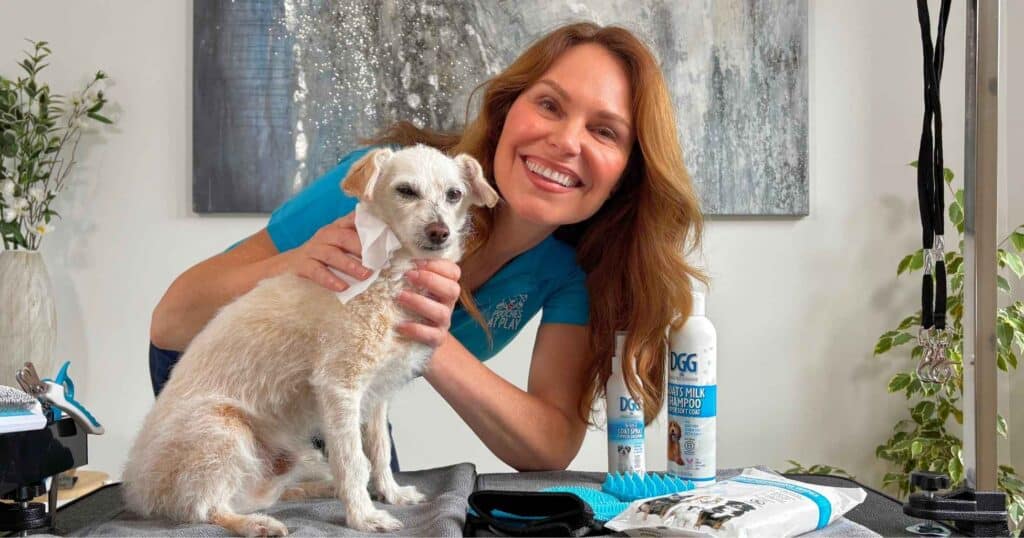
Choose a soft grooming tool and brush slowly and gently. The Doggone Gorgeous Silicone Brush and De-shedding Slicker Glove are useful options because they help remove loose hair without being too harsh on ageing skin.
Keep grooming sessions short and allow your dog to sit or lie down if standing becomes uncomfortable.
Grooming a senior dog is also a good opportunity to check for:
Speak to your vet if you notice a new lump, a change in an existing lump, ongoing irritation or anything else unusual.
Bathing can become tiring and stressful for older dogs, especially if they have difficulty standing or feel unstable on slippery surfaces.
Unless your dog needs a full bath, the DGG bamboo grooming wipes or a coat-deodorising spray can help keep them fresh between washes.
When a bath is required, use a gentle shampoo designed to support sensitive skin. Doggone Gorgeous Goat’s Milk Shampoo contains ingredients such as chamomile and oatmeal, making it a gentle option for sensitive or ageing skin.
Place a non-slip mat in the bath, use lukewarm water and make sure your dog is fully supported. Keep the bath short and dry them thoroughly afterwards so they don’t become cold.
If your senior dog is losing their eyesight, move slowly and let them know what you are doing throughout the grooming session.
Use your voice and gentle touch to avoid startling them, particularly when approaching their face or trimming hair around their eyes.
Allow your dog to smell the grooming tools before you begin and try to groom them in a familiar, quiet environment. Maintaining a predictable routine can help a dog with vision loss feel safer.
For more tips on helping a dog adjust to vision loss, click HERE.
Some senior dogs become more anxious as they age and may find grooming increasingly stressful. Keeping sessions brief, offering regular breaks and using calm praise can help create a more positive experience.
A calming supplement, like Zylkene, may also help some dogs before grooming. Speak to your vet about whether a calming product is appropriate for your senior dog, particularly if they take medication or have an existing health condition.
Never force your dog to continue if they show signs of pain, fear or distress.
Older dogs can become more prone to allergies and skin irritation. Wiping their paws, legs and belly after walks may help remove grass, pollen and other environmental irritants.
This can be particularly helpful if your dog frequently licks or chews their paws.
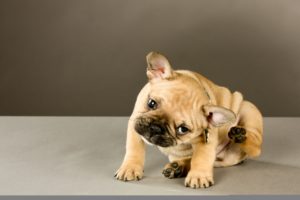
Occasional paw licking can be normal, but frequent or intense licking may indicate allergies, pain, infection or another health issue. Speak to your vet if it becomes more frequent or you notice redness, swelling, odour, or broken skin.
Comfort is an important consideration when grooming a senior dog and caring for them between grooming sessions.
A supportive orthopaedic bed can cushion sore joints and make it easier for your dog to rest. Older dogs may also feel the cold more than they once did.
A warm, well-fitted coat or jumper, such as those available in the Doggone Gorgeous range, can help keep them comfortable indoors and outside. Make sure clothing fits properly and doesn’t restrict movement or rub against sensitive skin.
Exercise may look different during the senior years, but it remains important for supporting joint mobility, muscle strength and overall wellbeing.
Shorter, gentler scenting walks are often more suitable than long or strenuous outings. The right amount of exercise will depend on your dog’s age, mobility and health, so seek veterinary advice if you’re unsure.
Regular movement can also help prevent stiffness, but never push your dog beyond what they can comfortably manage.
Dental care is another important part of grooming a senior dog and supporting their overall health. Dental disease can be painful and may make it difficult for your dog to eat.
Continue brushing your dog’s teeth if they tolerate it and book regular dental checks with your vet.
Senior dogs should generally have a veterinary health check at least twice a year, or more frequently if recommended by their vet. Regular check-ups can help identify dental disease, arthritis, skin problems and other age-related conditions early.
Grooming a senior dog may require a few changes to your regular routine, but these adjustments can make a significant difference to their comfort and quality of life.
Keep grooming sessions gentle, use supportive products and pay attention to any changes in your dog’s skin, coat, nails, mobility or behaviour. A little extra patience and care can help older dogs continue enjoying their golden years.
For more tips on caring for your senior dog, click HERE.
To explore the Doggone Gorgeous grooming and lifestyle range, visit doggonegorgeous.com.au.
How often should a senior dog be groomed?
The ideal grooming schedule depends on your dog’s breed, coat and health. Regular, short brushing sessions are often more comfortable for older dogs than occasional lengthy grooming sessions. Nail length, skin condition and coat matting should also be checked regularly.
How do you groom an older dog with arthritis?
Allow your dog to sit or lie down, keep sessions short and avoid holding their legs or paws in uncomfortable positions. Use soft grooming tools and provide a non-slip surface. Stop if your dog shows signs of pain or distress.
How can I cut my senior dog’s nails if they don’t like their paws being touched?
Begin by gently touching or massaging your dog’s paws while they are relaxed. Trim only one or two nails at a time and reward calm behaviour. If nail trimming remains difficult, ask a professional groomer or veterinary clinic for help.
How often should I bathe my senior dog?
Senior dogs generally only need to be bathed when necessary, although this varies according to their coat, lifestyle and medical needs. The DGG Bamboo Wipes and coat sprays can help keep them fresh between baths without drying their skin.
Why is my older dog suddenly anxious about grooming?
Pain, arthritis, sensitive skin, vision or hearing loss, and age-related cognitive changes, such as doggy dementia, can make grooming more difficult. A sudden change in behaviour should be discussed with your vet to rule out pain or an underlying medical condition.
What is the best brush for a senior dog?
A soft silicone brush or gentle grooming glove like those from DGG are good choices for a senior dog. The best tool will depend on your dog’s coat, but it should remove loose hair without pulling or placing excessive pressure on sensitive skin.
Why does my senior dog keep licking their paws?
Frequent paw licking may be caused by allergies, irritation, infection, pain or anxiety. Wiping your dog’s paws after walks may help remove environmental irritants, but ongoing licking should be assessed by a vet.
About the Author: Lara Shannon is a certified dog behaviourist and trainer, pet food nutrition specialist, Executive Producer and Host of Pooches at Play on Channel 10 and editor of Poochesatplay.com. Lara also runs her own dog training business in Melbourne’s Bayside area and is the Author of World of Dogs and Eat, Play, Love Your Dog
Should you wash a dog after swimming?
Miniature Schnauzer Breed Profile
Grooming a Puppy: Creating a Positive Experience
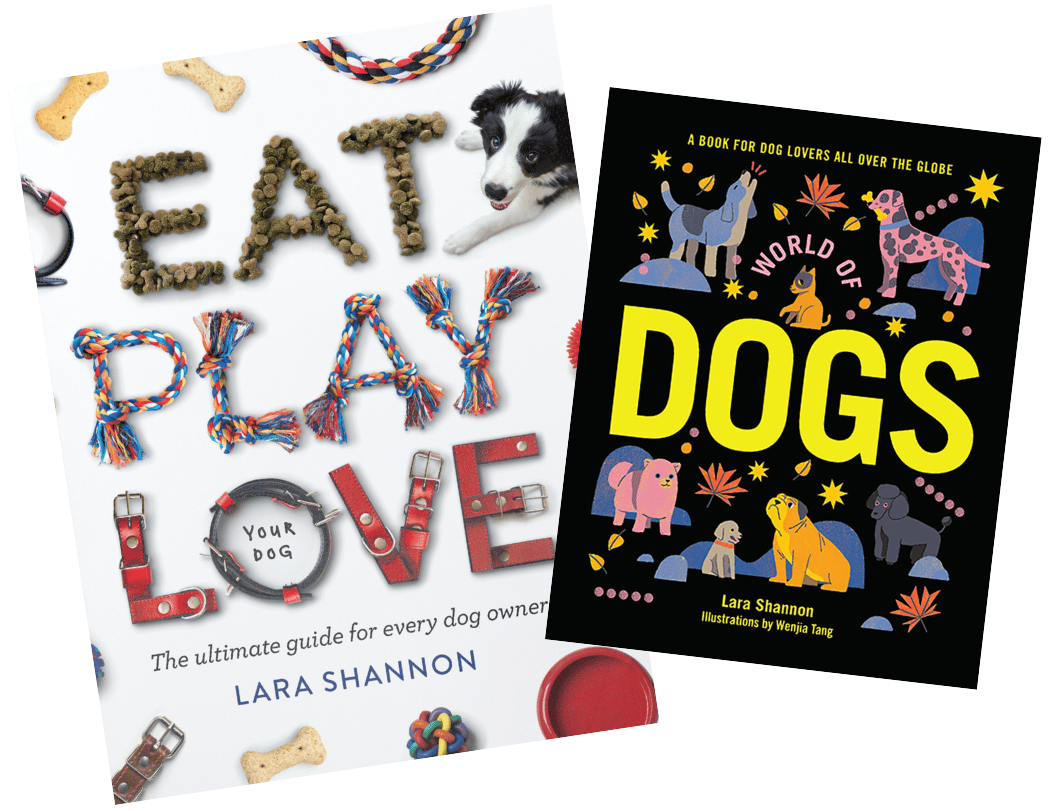
Get your paws on Lara Shannon’s best selling books ‘Eat, Play, Love (your dog) and World of Dogs.
Available in Australia, USA, UK and Canada.