

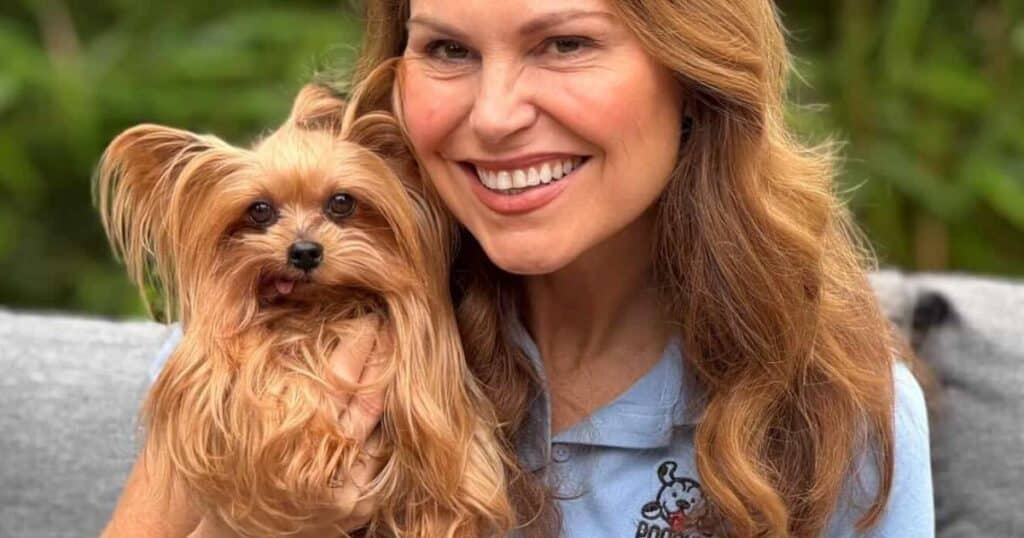
The Yorkshire Terrier, affectionately known as the Yorkie, may be tiny, but this intelligent, confident and spirited dog has the heart of a true terrier.
Yorkies can make affectionate companions for individuals, couples and families, and their small size makes them well suited to apartment living. However, they require regular grooming, early socialisation, positive training and plenty of company.
Prospective owners should also understand the breed’s susceptibility to dental disease, luxating patellas, hypoglycaemia, tracheal collapse and several other health conditions.
Our Yorkshire Terrier breed profile explores the breed’s history, temperament, grooming, exercise and health needs to help you decide whether a Yorkie is the right dog for your lifestyle.
Despite their glamorous appearance today, Yorkshire Terriers began life as working dogs in northern England during the 1800s.
Scottish workers who relocated to the industrial regions of Yorkshire and Lancashire brought several varieties of small terriers with them, to help control rats and other vermin in textile mills, mines and homes.
Over time, selective breeding produced a smaller dog with the long, silky coat for which the Yorkshire Terrier is now famous.
Yorkies are often alert, curious, determined and surprisingly fearless for their size. They may look like delicate lap dogs, but many behave as though they are considerably larger.
Yorkshire Terriers are among the smallest dog breeds, with the recognised breed standard specifying a weight of no more than approximately 3.2kg.
They have a compact body, small upright ears and a long, straight coat. Mature Yorkies are known for their distinctive colouring: a dark steel blue body with rich golden tan around the head, chest and legs.
Yorkie puppies are generally born black and tan, with their adult coat colour developing as they grow.
Yorkies tend to pack a very big personality into a tiny body. They are typically:
Many Yorkies form a particularly close bond with one person, although they can still develop loving relationships with the entire household.
Their alert nature can make them effective little watchdogs, but it can also lead to excessive barking. Early training should teach them that they do not need to react to every person, dog or sound they notice.
Yorkies can make wonderful family companions when their physical and emotional needs are understood.
Their small size makes them adaptable to apartments and smaller homes, but it also makes them physically vulnerable. A fall from furniture, being accidentally stepped on or rough handling can cause serious injury.
Young children should always be supervised around any dog. With a tiny breed such as the Yorkshire Terrier, children must also be taught how to sit calmly, handle the dog gently and recognise when the dog wants space.
A Yorkie may be better suited to a household with older, dog-aware children than one with toddlers who are still learning impulse control.
Well-socialised Yorkies can live successfully with other dogs and cats, particularly when introduced carefully.
However, their terrier ancestry means some retain an instinct to chase smaller animals. Introductions should be managed, and Yorkies should not be assumed to be safe around pocket pets simply because of their own small size.
Yorkies are intelligent and capable learners, but they can also be independent and persistent. Reward-based training using food, toys and praise will help keep sessions enjoyable and productive.
Early training should focus on:
Their small bladder can make toilet training more challenging, particularly during wet or cold weather. A consistent routine, close supervision and frequent opportunities to toilet outside are important. Never punish toileting mistakes, as this may cause fear and encourage the dog to hide the behaviour.
Because Yorkies are highly people-focused and love being involved in daily activities, they can become distressed when left alone if independence training has not been introduced gradually.
From an early age, practise having your Yorkie relax in a comfortable space while you move around the home. Build up very short periods of separation before progressing to longer absences.
Food-dispensing toys, scent games and safe enrichment can help create a positive association with alone time. If your Yorkie shows ongoing signs of separation anxiety, seek help from your veterinarian, a veterinary behaviourist or a qualified positive-reinforcement trainer.
Although they are small, Yorkies still need daily exercise and mental stimulation.
Short walks, sniffing opportunities, gentle games and positive training sessions can help keep them physically and mentally healthy. Their exercise should be appropriate for their age, fitness and health.
Avoid assuming that running around the house provides all the exercise they need. Safe walks allow dogs to sniff, explore and experience the outside world, which is important for their overall wellbeing.
Be mindful around large dogs, steep stairs and high furniture. A Yorkie’s confidence may exceed their physical strength, so owners need to protect them without preventing normal movement and social experiences.
Like every breed, Yorkshire Terriers can be predisposed to particular health conditions. Understanding these risks can help owners recognise changes and seek veterinary treatment promptly.
Some of the most important Yorkie health considerations include dental disease, luxating patella, hypoglycaemia and tracheal collapse.
Dental disease in Yorkies
Dental disease is very common in toy and small-breed dogs. Their small jaws can result in crowded teeth, allowing plaque and food particles to accumulate.
Without appropriate dental care, Yorkies may develop:
Brush your Yorkie’s teeth daily using a dog-safe toothpaste and introduce brushing gradually with positive reinforcement. Regular veterinary dental checks are also essential, as professional cleaning may be required even when teeth are brushed at home.
Luxating patella
A luxating patella occurs when the kneecap moves out of its normal groove. This developmental orthopaedic condition is particularly common in small and miniature breeds.
Signs may include:
The severity varies considerably. Some dogs require monitoring and weight management, while more serious cases may need surgery. Ask your veterinarian to check your Yorkie’s knees during routine examinations.
Hypoglycaemia in Yorkie puppies
Very young and exceptionally small Yorkie puppies can be vulnerable to hypoglycaemia, or low blood glucose, because they have limited energy reserves.
It may occur if a puppy does not eat regularly, becomes stressed or develops vomiting, diarrhoea or another illness.
Possible signs include:
Hypoglycaemia can become life-threatening and requires urgent veterinary attention. Speak to your breeder and veterinarian about an appropriate feeding schedule for a young Yorkie puppy.
Tracheal collapse
Tracheal collapse occurs when the cartilage supporting the windpipe weakens, allowing the airway to flatten during breathing. Yorkshire Terriers are among the breeds commonly affected.
A dry, harsh or “honking” cough is a typical sign. Coughing may worsen with excitement, exercise, heat, pressure around the neck or excess weight.
Other signs can include:
Use a properly fitted harness rather than attaching a lead to a neck collar. Maintaining a healthy weight and avoiding cigarette smoke may also help reduce pressure on a susceptible Yorkie’s respiratory system.
Any persistent cough should be assessed by a veterinarian because coughing can have many causes. Breathing difficulties require urgent veterinary attention. Yorkshire Terriers are specifically identified as one of the small breeds commonly affected by tracheal collapse by the American College of Veterinary Surgeons.
Portosystemic shunts
Yorkshire Terriers have an increased risk of congenital portosystemic shunts. This condition allows blood to bypass the liver instead of being properly filtered.
Affected dogs may be smaller than expected or show:
These symptoms require veterinary investigation. Portosystemic shunts can result in neurological symptoms known as hepatic encephalopathy, and Yorkshire Terriers are among the breeds more commonly affected, according to VCA Animal Hospitals.
Other Yorkie health considerations
Yorkies may also be susceptible to eye conditions, Legg-Calvé-Perthes disease affecting the hip joint. Choosing a responsible breeder who undertakes appropriate health testing, maintaining regular veterinary examinations and investigating unusual symptoms promptly can help support a longer and healthier life.
Pet insurance may also be worth considering while your Yorkie is young and before any health conditions are diagnosed, as pre-existing conditions are generally excluded from cover.
Always compare policies, limits, waiting periods and exclusions carefully.
To learn more about the award-winning Knose Pet Insurance click HERE. Plus how to get 2-months free.
The average Yorkshire Terrier lifespan is generally estimated at approximately 11–15 years, although individual longevity varies according to genetics, health, nutrition and lifestyle.
Some Yorkies live beyond the typical range, but reaching 20 years would be exceptional rather than something owners should expect.
Regular veterinary care, preventive parasite protection, dental care, a complete and balanced diet, appropriate exercise and maintaining a healthy weight can all support quality of life as a Yorkie ages.
Feed your Yorkie a complete and balanced diet appropriate for their age and life stage. Portions should be measured carefully because even a small amount of excess food can represent significant additional calories for such a tiny dog.
Treats, toppers and other extras should generally remain within approximately 10% of the dog’s daily calorie intake unless the overall diet has been professionally balanced.
Monitor your Yorkie’s body condition rather than relying on their weight alone. You should be able to feel their ribs without a heavy layer of fat and see a defined waist when looking from above.
Young puppies may need smaller, more frequent meals. Your veterinarian can advise on the most appropriate feeding routine, particularly if there are concerns about growth or hypoglycaemia.
Yorkies do not shed heavily, but their fine, silky hair can tangle and mat easily. A long coat generally requires daily brushing to prevent knots and keep it clean and comfortable.
A soft pin brush, such as the DGG 2-in-1 Grooming Brush, can help maintain the body coat. A grooming comb or detangling brush, combined with a dog-safe detangling spray, can be useful around areas where knots commonly form, including:
Work through knots gently and avoid pulling at the skin. Severe matting can be painful and may need to be removed by a professional groomer.
To browse the DGG grooming range and download their free dog grooming guide, visit Doggone Gorgeous.
Many pet Yorkies are kept in a shorter “puppy clip” to make their coat easier to manage. A shorter coat still requires:
Bathing frequency will depend on your dog’s coat, skin and lifestyle. Ensure your Yorkie is rinsed and dried thoroughly, as their fine coat and small body can leave them sensitive to the cold.
A Yorkshire Terrier may suit you if you want a small, affectionate and lively companion who can participate in daily life.
Before bringing one home, consider whether you can provide:
Do not choose a Yorkie based on size or appearance alone. Beneath that beautiful coat is an intelligent and determined terrier who needs training, exercise, companionship and opportunities to use their brain.
Are Yorkshire Terriers good apartment dogs?
Yes. Their small size makes Yorkies suitable for apartment living, provided they receive daily exercise, mental stimulation and training to manage barking. Apartment dogs still need opportunities to walk, sniff and explore outside the home.
Are Yorkies good with children?
Yorkies can live happily with gentle, dog-aware children. However, their tiny bodies are vulnerable to accidental injury, so interactions must always be supervised. They may be better suited to families with older children.
Do Yorkshire Terriers bark a lot?
Yorkies can be vocal because they are alert terriers that quickly notice movement and sounds. Early positive training, appropriate exercise and teaching calm alternative behaviours can help prevent barking from becoming excessive.
Are Yorkshire Terriers easy to train?
Yorkies are intelligent and can learn quickly, but they may also be independent and persistent. Short, rewarding training sessions tend to work best. Consistency is particularly important for toilet training and barking.
Do Yorkshire Terriers suffer from separation anxiety?
Yorkies can be prone to separation-related distress because they bond closely with their people. Gradual independence training from puppyhood can help them learn that being alone for manageable periods is safe.
Do Yorkshire Terriers shed?
Yorkies shed relatively little compared with many other breeds because their fine coat has a longer growth cycle. However, they still lose some hair, and no dog should be considered completely non-shedding or guaranteed to be hypoallergenic.
Dog allergies are commonly triggered by proteins found in saliva and skin flakes rather than the coat alone. Anyone with allergies should spend time with an individual dog before deciding whether the breed is suitable.
How often should a Yorkshire Terrier be groomed?
A Yorkie with a long coat generally requires daily brushing. A shorter coat may need brushing several times a week, along with regular bathing and professional trimming. Grooming needs vary according to coat length and lifestyle.
How long do Yorkshire Terriers live?
Yorkshire Terriers commonly live for approximately 11–15 years. Some live longer with good genetics and care, but a lifespan approaching 20 years would be exceptional.
What health problems are common in Yorkshire Terriers?
Important Yorkie health considerations include dental disease, luxating patella, tracheal collapse, hypoglycaemia in very small puppies and portosystemic shunts. Regular veterinary examinations can help identify problems early.
What is a teacup Yorkie?
“Teacup Yorkie” is a marketing term, not a separately recognised breed or size. Deliberately breeding extremely small dogs can increase the risk of fragility, hypoglycaemia, dental crowding and other health complications. Choose a responsible breeder who prioritises health and temperament rather than unusually small size.
About the Author: Lara Shannon is a certified dog behaviourist and trainer, pet food nutrition specialist, Executive Producer and Host of Pooches at Play on Channel 10 and editor of Poochesatplay.com. Lara also runs her own dog training business in Melbourne’s Bayside area and is the Author of World of Dogs and Eat, Play, Love Your Dog

Calm an Anxious Dog at the Vet or Groomer


Benefits of Slow Cooked Dog Food

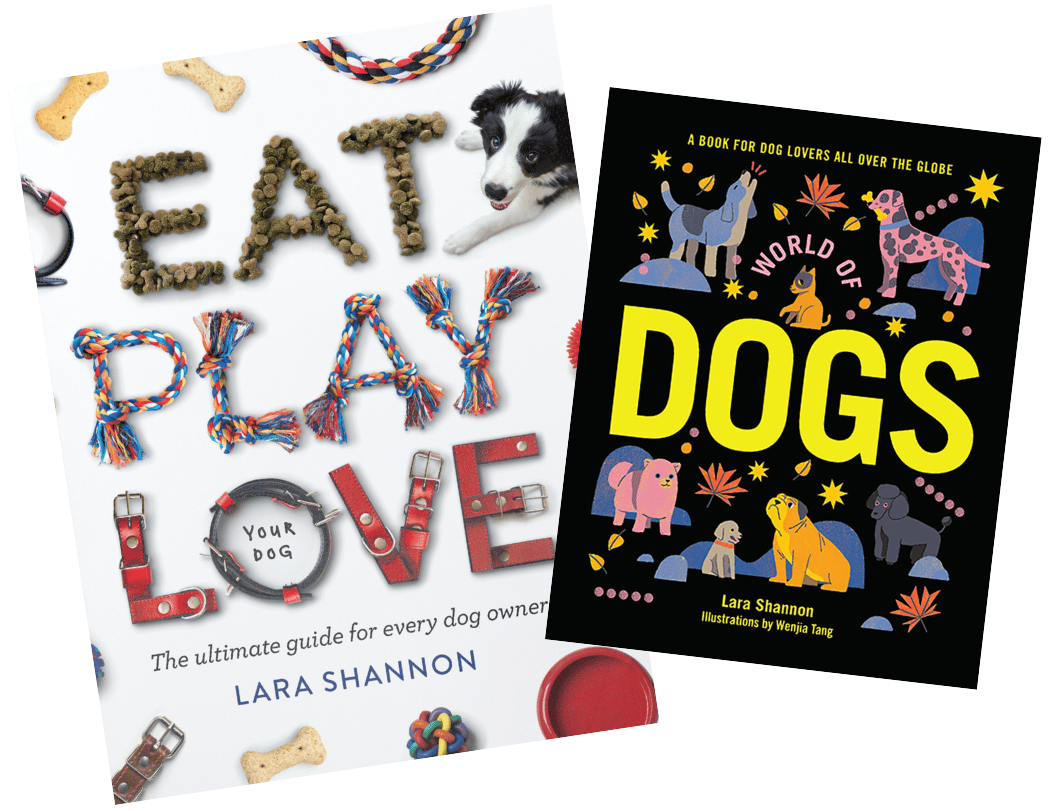
Get your paws on Lara Shannon’s best selling books ‘Eat, Play, Love (your dog) and World of Dogs.
Available in Australia, USA, UK and Canada.