


Dogs are living longer than ever thanks to better veterinary care and more informed pet owners choosing for healthy dog food options, compared to a low quality dry dog food.
However, as dogs live longer, we are also seeing more chronic and age-related conditions, including arthritis, cancer, hormonal issues and degenerative disease and dementia.
While nutrition cannot prevent every health problem, choosing a complete and balanced healthy dog food is one of the most important ways you can support your dog’s digestion, weight, energy levels and overall wellbeing throughout their life.
Food is much more than fuel. The nutrients in your dog’s diet support almost every process within their body, from digestion and metabolism to immune function, muscle maintenance and skin and coat health.
A healthy dog food should be complete and balanced for your dog’s life stage, providing the appropriate amounts of protein, fats, vitamins, minerals and other essential nutrients.
Your dog’s individual needs will depend on factors including their age, breed, weight, activity level and health. A diet that suits one dog may not necessarily be right for another, so speak to your veterinarian if your dog has a medical condition or specific nutritional requirements.
The gut microbiome is the community of microorganisms living within your dog’s digestive tract. A balanced microbiome helps support digestion, nutrient absorption, immune health and the body’s inflammatory responses.
The gut also communicates with the brain through what is known as the gut–brain axis. Gut microorganisms are involved in processes associated with neurotransmitters such as serotonin and dopamine, which influence mood and stress responses.
This doesn’t mean that every behavioural issue is caused by poor gut health. Anxiety, stress and behaviour changes can have many medical, emotional and environmental causes. However, digestive health and overall wellbeing are closely connected, so ongoing changes in either your dog’s digestion or behaviour should be discussed with your veterinarian. Read more about the link between gut health and behaviour HERE.
A single protein diet contains one primary source of animal protein. This simplified approach may be helpful for dogs with suspected food sensitivities because it makes it easier to identify and avoid ingredients that could be contributing to a reaction.
Single protein foods may also be used as part of a veterinarian-supervised elimination diet. However, being single protein does not automatically make a food complete, balanced or suitable for every dog.
Prime100 offers a range of complete and balanced single protein diets made with Australian ingredients. Each ingredient is included for a nutritional or functional purpose, rather than simply being added as a filler.
Choose a complete and balanced food suited to your dog’s age, weight, activity level and health. If your dog has digestive problems or suspected food sensitivities, ask your veterinarian whether a single protein diet may be appropriate.
Marketing claims do not always tell the whole story. Check whether the food is complete and balanced and consider the quality and purpose of its ingredients.
Speak to your veterinarian or a suitably qualified pet nutrition professional if you would like specific advice, but you can read my blog on understanding dog food ingredients and labels HERE.
Sudden food changes can cause digestive upset. Unless your veterinarian recommends otherwise, gradually transition to a new food over several days by mixing increasing amounts with your dog’s existing diet.
This gives your dog’s digestive system and gut microbiome time to adjust. Read more about that HERE.
Even healthy dog food can lead to weight gain if too much is fed.
Use the feeding guide as a starting point, measure your dog’s meals and remember to include treats and extras in their total daily intake. Portions may need to be adjusted according to your dog’s body condition, activity level and individual metabolism.
Maintaining a healthy weight can reduce unnecessary strain on the joints and support your dog’s mobility and long-term health.
Choosing a healthy dog food is only one part of your dog’s overall wellbeing. Dogs also need regular exercise, mental enrichment, play, quality sleep and opportunities to engage in natural behaviours such as sniffing and exploring.
Reducing chronic stress and limiting exposure to hazards such as cigarette smoke, unsafe household chemicals and toxic plants can also help protect their health.
There is no single food or supplement that can guarantee a dog will avoid illness or live longer. However, healthy dog food, appropriate portions, regular veterinary care, daily movement and mental enrichment can create a strong foundation for a healthier and happier life.
Pay attention to changes in your dog’s appetite, weight, digestion, skin, coat, energy or behaviour. Identifying changes early gives your veterinarian the best opportunity to investigate and manage an emerging health problem.
Look for Prime100 at your local pet-specialty store or veterinary clinic, or visit the Prime100 website to explore the range.
What makes a dog food healthy?
Healthy dog food should be complete and balanced for your dog’s life stage and provide appropriate amounts of essential nutrients. It should also suit your dog’s individual health, weight and activity level.
Is expensive dog food always healthier?
No. Price and premium packaging do not automatically indicate nutritional quality. Check whether the food is complete and balanced, consider its ingredients and nutritional purpose, and seek professional advice if needed.
Is a single protein diet better for dogs?
Not necessarily. A single protein diet may benefit dogs with suspected food sensitivities or digestive issues, but it is not automatically better for every dog. It must still be complete and balanced.
How do I change my dog’s food safely?
Unless advised otherwise by your veterinarian, introduce the new food gradually over several days by mixing it with decreasing amounts of the old food. Slow the transition and seek veterinary advice if your dog develops persistent digestive symptoms.
How do I know whether my dog’s food suits them?
Signs that a diet may suit your dog include a stable healthy weight, good energy levels, normal stools and healthy skin and coat.
Persistent vomiting, diarrhoea, itching, weight changes or reduced appetite should be discussed with your veterinarian.
About the Author: Lara Shannon is a certified dog behaviourist and trainer, pet food nutrition specialist, Executive Producer and Host of Pooches at Play on Channel 10 and editor of Poochesatplay.com. Lara also runs her own dog training business in Melbourne’s Bayside area and is the Author of World of Dogs and Eat, Play, Love Your Dog
Miniature Schnauzer Breed Profile




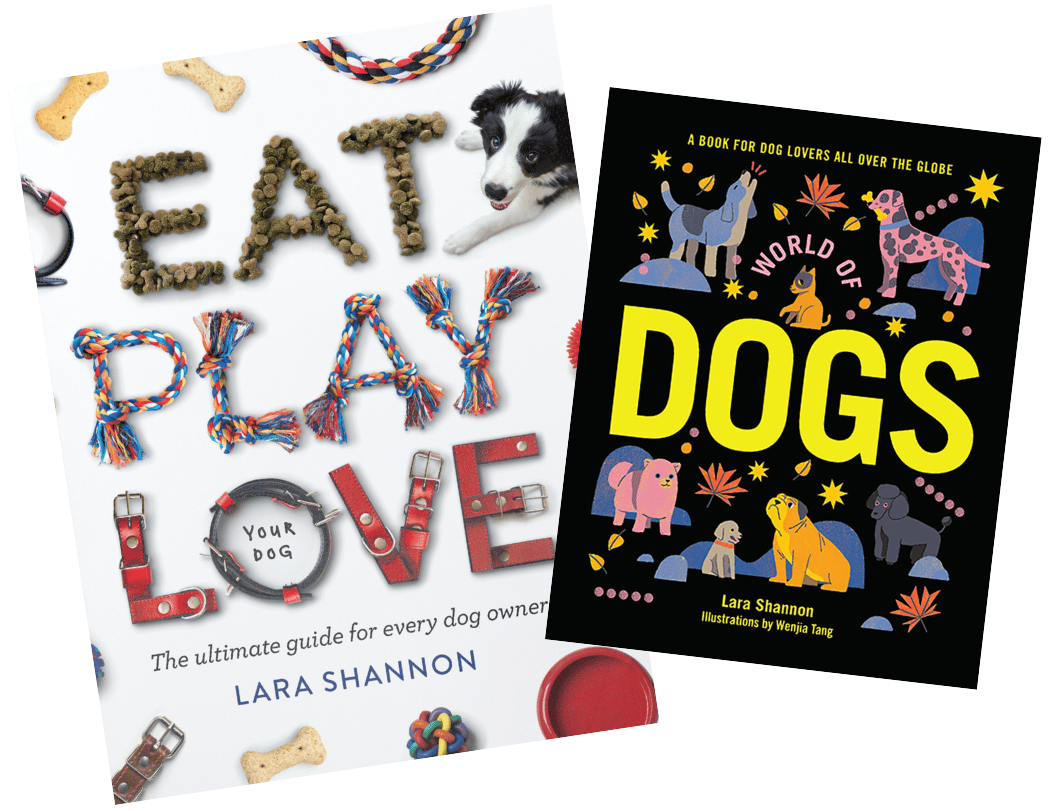
Get your paws on Lara Shannon’s best selling books ‘Eat, Play, Love (your dog) and World of Dogs.
Available in Australia, USA, UK and Canada.