

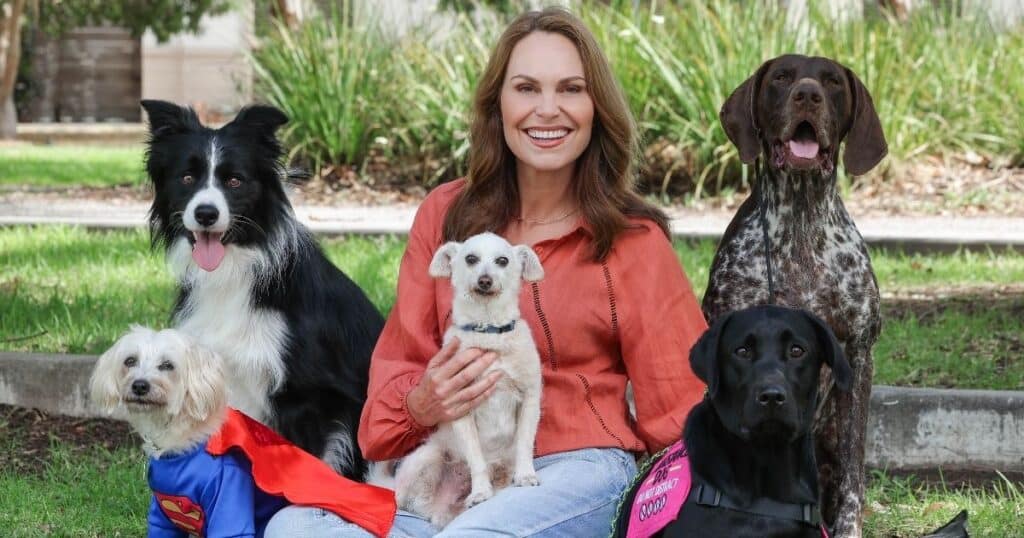
Bringing a dog into your family is incredibly exciting, but choosing the right dog breed, or rescue dog, for your lifestyle is one of the most important decisions you will make as a pet owner.
The best match depends on much more than a dog’s appearance. You need to consider their likely temperament, energy levels, size, training and grooming needs, potential health issues and how well those needs fit your home, family, schedule and budget. Breed tendencies can be a helpful guide, but every dog is an individual, especially when choosing a crossbreed or rescue dog.
Taking the time to research before bringing a dog home can help prevent behaviour problems, stress and the heartbreaking situation where a dog needs to be rehomed because their needs and their owner’s lifestyle are not compatible.
Before falling in love with a cute face, be honest about what life with that dog is likely to involve – not only now, but for the next 10 to 15 years or more.
Your Activity Level
When choosing the right dog breed for your lifestyle, you need to consider how much exercise can you realistically provide every day, including when you are busy, tired or the weather is not ideal?
If you enjoy hiking, running and spending time outdoors, an active breed such as a Labrador, Vizsla or German Shorthaired Pointer may be able to keep up with you. Rhodesian Ridgebacks, Dalmatians and some Poodles can also make good running companions when they are healthy, fully grown and gradually conditioned for the activity.
Highly intelligent working breeds such as Kelpies and Border Collies generally need much more than a walk around the block. They require regular physical exercise, training, problem-solving and other forms of mental stimulation. Without appropriate outlets, a bored or frustrated working dog may develop unwanted behaviours such as excessive barking, digging, escaping or destructive chewing.
However, choosing an active breed does not automatically mean they will suit every active household. You also need to consider the dog’s trainability, prey drive, sociability and ability to relax at home.
Your Home and Available Space
A large backyard does not replace daily walks, training and interaction, while living in an apartment does not automatically rule out having a dog. What matters is whether you can consistently meet the individual dog’s needs.
Some larger breeds can be surprisingly calm indoors. Greyhounds, for example, are often known for enjoying plenty of rest after an appropriate daily walk. Irish Wolfhounds can also be laid-back in the home, but their large size means they still need enough room to move comfortably – and their food, medication and veterinary costs can be considerable.
If you rent or live in an apartment, check any pet rules and consider access to safe toileting areas, stairs or lifts, noise sensitivity and how long the dog may be left alone as this is key to choosing the right dog breed, as well as their age and individual personality.
Your Time for Training, Grooming and Companionship
Every dog needs training, enrichment and companionship, but some require substantially more time than others.
Long, curly or continuously growing coats may need frequent brushing and professional grooming. Heavy-shedding breeds also require regular coat care and more cleaning around the home. Short-coated dogs may be lower maintenance in some respects, but they still need nail, dental, ear and skin care.
Also consider how many hours the dog will spend alone. Dogs are social animals, and a puppy in particular needs frequent toilet breaks, supervision, positive socialisation and short training sessions throughout the day.
Your Budget
When choosing the right dog breed, you also need to consider any specific health or nutrition needs. The cost of caring for a dog goes well beyond the initial purchase or adoption fee. Allow for:
Larger dogs generally eat more and may require more expensive medications, equipment and procedures. Some breeds are also predisposed to particular inherited health conditions, making health testing and financial planning especially important.
People who genuinely enjoy daily exercise may suit an energetic, athletic dog, but exercise needs vary even within the same breed.
Breeds commonly associated with active lifestyles include:
Remember that high-energy dogs need mental exercise as well as physical activity. Positive training, scent work, food-enrichment activities and opportunities to safely explore can help meet those needs.
Running with a puppy is not recommended while their bones and joints are still developing. Ask your veterinarian when higher-impact exercise is suitable for your dog, particularly if they are a large breed or have an existing health condition.
If you prefer shorter walks and quiet time at home, look for an adult dog with a known lower energy level rather than choosing on breed alone.
Breeds often considered more relaxed indoors can include:
However, “low energy” does not mean no exercise, training or enrichment. Every dog needs regular movement, mental stimulation, social connection and opportunities to sniff and explore.
It is also important to research breed-related health concerns. For example, a dog may appear less active because of breathing difficulties, joint pain or another medical condition rather than because they naturally need very little exercise.
Choosing the Right Dog Breed for a Family With Children
When choosing a family dog, look beyond labels such as “good with children”. Temperament, socialisation, previous experiences and the behaviour of both the dog and children will influence the relationship.
Golden Retrievers, Labrador Retrievers, Bernese Mountain Dogs and Newfoundlands are often known for friendly, patient temperaments. However, there are no guarantees based on breed, and large, enthusiastic dogs can accidentally knock over toddlers.
Children should always be actively supervised around dogs. Teach them not to disturb a dog who is eating, sleeping, unwell or trying to move away, and make sure the dog has a quiet space where they can rest undisturbed. For more information on keeping children safe around dogs, click HERE.
For many busy families, a calm adult dog with a known history may be a more suitable choice than a puppy.
A puppy is not always the best choice for an older person. Puppies can be physically demanding, wake during the night, mouth hands and clothing, have toileting accidents and require a great deal of training and supervision.
A middle-aged or senior rescue dog that is already toilet trained, settled and lower in energy can make a wonderful companion. Consider the dog’s size, strength on lead, grooming needs and who could care for them if their owner becomes ill or needs to move.
Rescue organisations and foster carers can often help identify dogs whose temperament and daily needs may suit a quieter household.
Many families choose Poodle crossbreeds, often known as Oodles, believing they will have a predictable temperament, size or non-shedding coat. In reality, a crossbreed puppy can inherit any combination of physical and behavioural traits from either parent.
Research both parent breeds, including their exercise, grooming, training and health needs. Coat type and adult size can vary, even between puppies in the same litter, and no dog can be guaranteed to be completely hypoallergenic.
The same principle applies to every crossbreed: learn as much as possible about the individual dog rather than relying on a label.
Both can be wonderful choices when the match is right.
Buying a Puppy From a Breeder
Choose a reputable breeder who prioritises health and temperament, completes the recommended health tests for both parents and raises puppies in a safe, enriching environment.
A responsible breeder should ask you questions, allow you to meet the puppy and mother where possible, provide evidence of health testing and be willing to support the dog throughout their life. Avoid buying from sellers who will not show where the puppies were raised, always have multiple litters available or pressure you into making a quick decision.
Adopting a Rescue Dog
A rescue dog may have an incomplete or difficult history, but this does not mean they cannot become a wonderful family member. They may simply need time, patience, predictable routines and positive training while they settle into their new home.
Ask the rescue organisation what they know about the dog’s behaviour around adults, children, dogs, cats, handling, food, visitors and time alone. A foster-based rescue may be able to provide valuable insight into how the dog behaves in a home environment.
Be honest about your own experience and limitations so the organisation can help find the best possible match. Learn more about the 3x3x3 rule for rescue dogs going into their new home.
Breed traits can help you understand what a dog may be more likely to need, but they cannot predict every aspect of an individual dog’s personality or behaviour.
Genetics, early experiences, health, socialisation, training and environment all play a role. Even dogs from the same litter can have very different temperaments and confidence levels.
Once your new dog comes home, use reward-based training and give them safe, positive exposure to the people, animals, environments, sounds and experiences they are likely to encounter. Socialisation should build confidence, not overwhelm or frighten the dog.
If you are unsure which dog will suit you, speak with a qualified, reward-based dog trainer or behaviour professional before making your decision.
How do I know which dog breed is right for me?
Start by assessing your activity level, working hours, home, family, other pets, grooming capacity, dog-training experience and budget. Then research breeds and individual dogs whose needs realistically fit that lifestyle. Avoid choosing primarily on appearance.
What is the best dog breed for a first-time owner?
There is no single breed that suits every first-time owner. A sociable adult dog with a known temperament and moderate exercise and grooming needs may be easier than a high-energy working breed or young puppy. Individual compatibility and access to training support are more important than a “beginner-friendly” label.
What dog breeds are best for active people?
Labradors, Vizslas, German Shorthaired Pointers, Kelpies, Border Collies, Dalmatians and Standard Poodles are among the breeds often suited to active homes. Their mental stimulation, training and companionship needs must also be met.
What dog breeds suit a quieter household?
Some Greyhounds, Cavalier King Charles Spaniels, Shih Tzus and Irish Wolfhounds may be calm indoors, but age, health and individual temperament matter. A mature rescue dog assessed in foster care may offer greater certainty about energy levels than a puppy.
Is a puppy or adult dog better for a family?
That depends on the family’s time, experience and routine. Puppies require intensive supervision, socialisation and training. A well-matched adult dog may already be toilet trained and have a more predictable size, temperament and activity level.
Are Oodles hypoallergenic and non-shedding?
Not necessarily. Oodles can inherit different coat characteristics from either parent, and no dog is guaranteed to be completely hypoallergenic. Research both parent breeds and be prepared for regular brushing and professional grooming.
What should I ask before adopting a rescue dog?
Ask about the dog’s health, energy level, training, behaviour around children and other animals, ability to cope alone, response to handling, known fears and any resource guarding or reactivity. Also ask what support is available after adoption.
Why is choosing the right dog so important?
A good lifestyle match makes it easier to meet the dog’s needs and can reduce stress, frustration and preventable behaviour problems. It also lowers the risk of the dog needing to be rehomed because their exercise, training, care or companionship needs cannot be met.
About the Author: Lara Shannon is a certified dog behaviourist and trainer, pet food nutrition specialist, Executive Producer and Host of Pooches at Play on Channel 10 and editor of Poochesatplay.com. Lara also runs her own dog training business in Melbourne’s Bayside area and is the Author of World of Dogs and Eat, Play, Love Your Dog

Calm an Anxious Dog at the Vet or Groomer


Benefits of Slow Cooked Dog Food

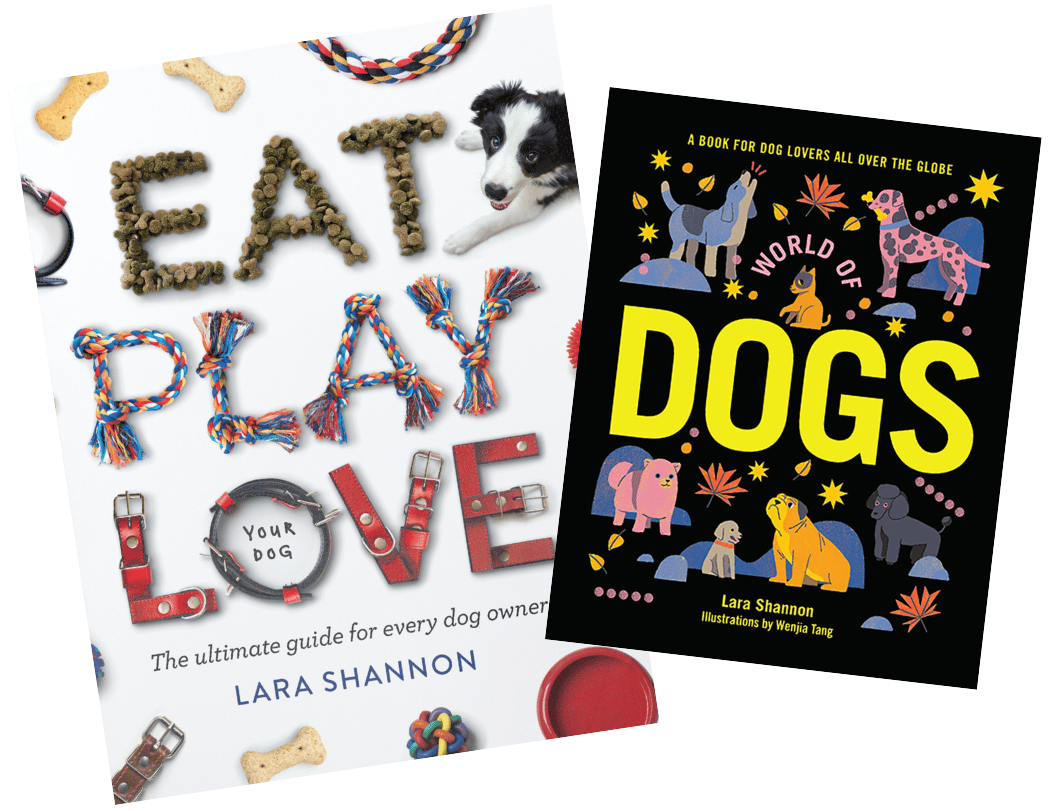
Get your paws on Lara Shannon’s best selling books ‘Eat, Play, Love (your dog) and World of Dogs.
Available in Australia, USA, UK and Canada.